

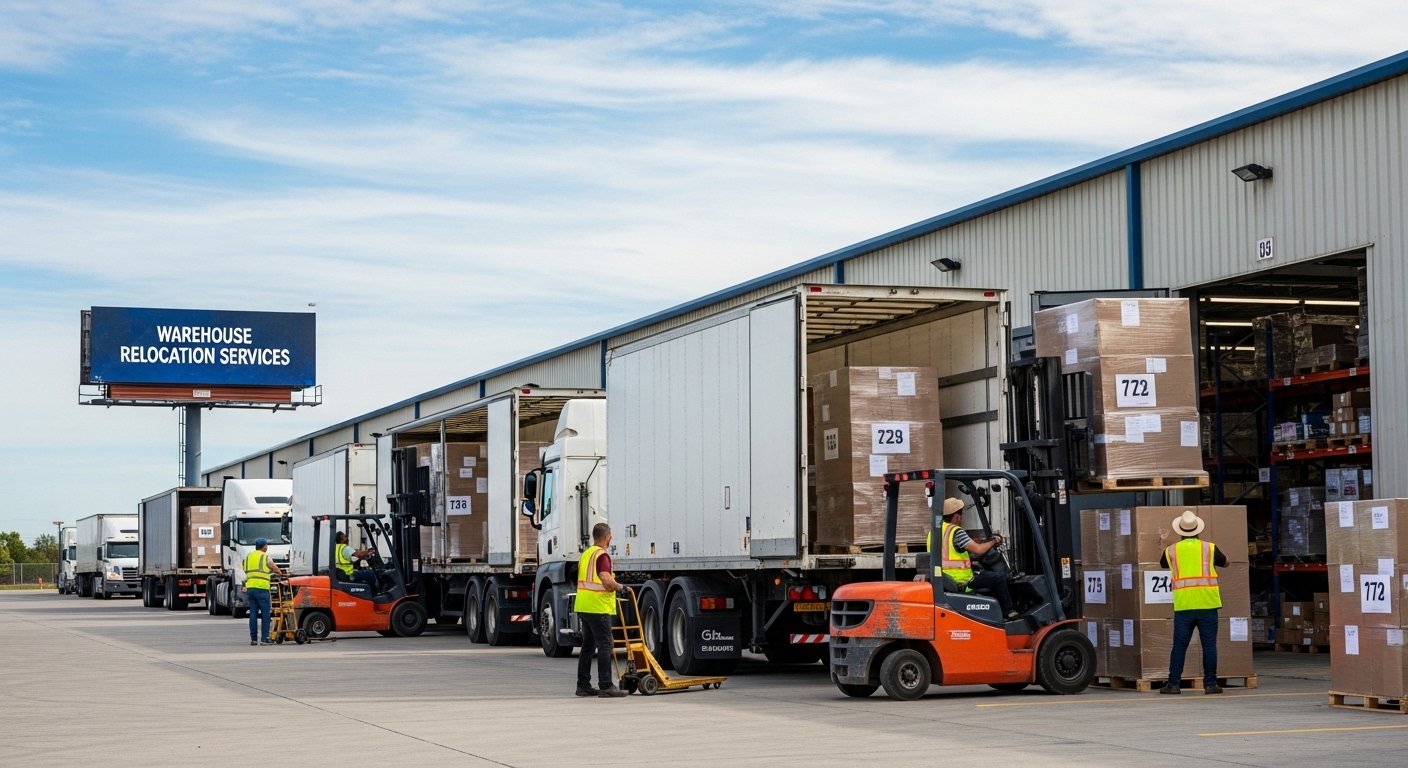
Long-distance commercial moves present unique challenges, especially when it comes to relocating an industrial warehouse. Unlike residential moves, commercial relocations involve larger volumes of equipment and specialized machinery, as well as more complex logistics. The scale, value, and operational demands of an industrial warehouse make planning and execution far more intricate. Three of the most challenging aspects of such a move are logistics and route planning, handling the equipment, and maintaining operational continuity.
1. Logistics and route planning
Industry warehouses typically store large quantities of goods, raw materials, and machinery that must be transported safely and efficiently. This process involves assessing vehicle capacity, selecting appropriate transportation methods, and scheduling deliveries to minimize downtime. Routes must accommodate oversized trucks and comply with local regulations, including weight limits, bridge restrictions, and parking rules at departure and arrival sites. Seasonal weather and traffic conditions can affect timing and safety, so careful planning is necessary to avoid delays or damage to materials. Proper coordination ensures that every item arrives at the new location in good condition and in the correct sequence for reassembly or installation.
2. Equipment handling
Industrial warehouses often contain heavy machinery, pallets of goods, and specialized storage systems that require specialized equipment and skilled personnel for safe handling. Forklifts, pallet jacks, cranes, and hoists may be necessary, and mishandling them can result in equipment damage, financial loss, or worker injury. Additionally, some machinery may be sensitive to vibration, temperature, or humidity changes during transit, necessitating protective packaging and careful monitoring. Professional movers https://paramountmoving.ca/edmonton/service/long-distance-movers/ who have experience with industrial relocations are trained to assess weight distribution, secure loads, and dismantle or reassemble machinery as needed to ensure safe and efficient transport.
3. Operational continuity
Businesses rely on warehouses for storage, order fulfillment, and production support, so extended downtime can have significant financial and logistical consequences. Planning the move in phases, accurately labeling inventory, and coordinating with suppliers and clients are essential to minimizing disruption. Temporary storage solutions or off-site inventory management may be necessary to maintain supply chains while the warehouse is in transition. Professional movers can coordinate these phases, ensuring critical operations continue and inventory is relocated systematically and efficiently.
Careful preparation, industry expertise, and proper tool and technology use are required to ensure a safe, efficient, and minimally disruptive relocation. Professional support mitigates risks and ensures that the move is completed on schedule without loss or damage.