

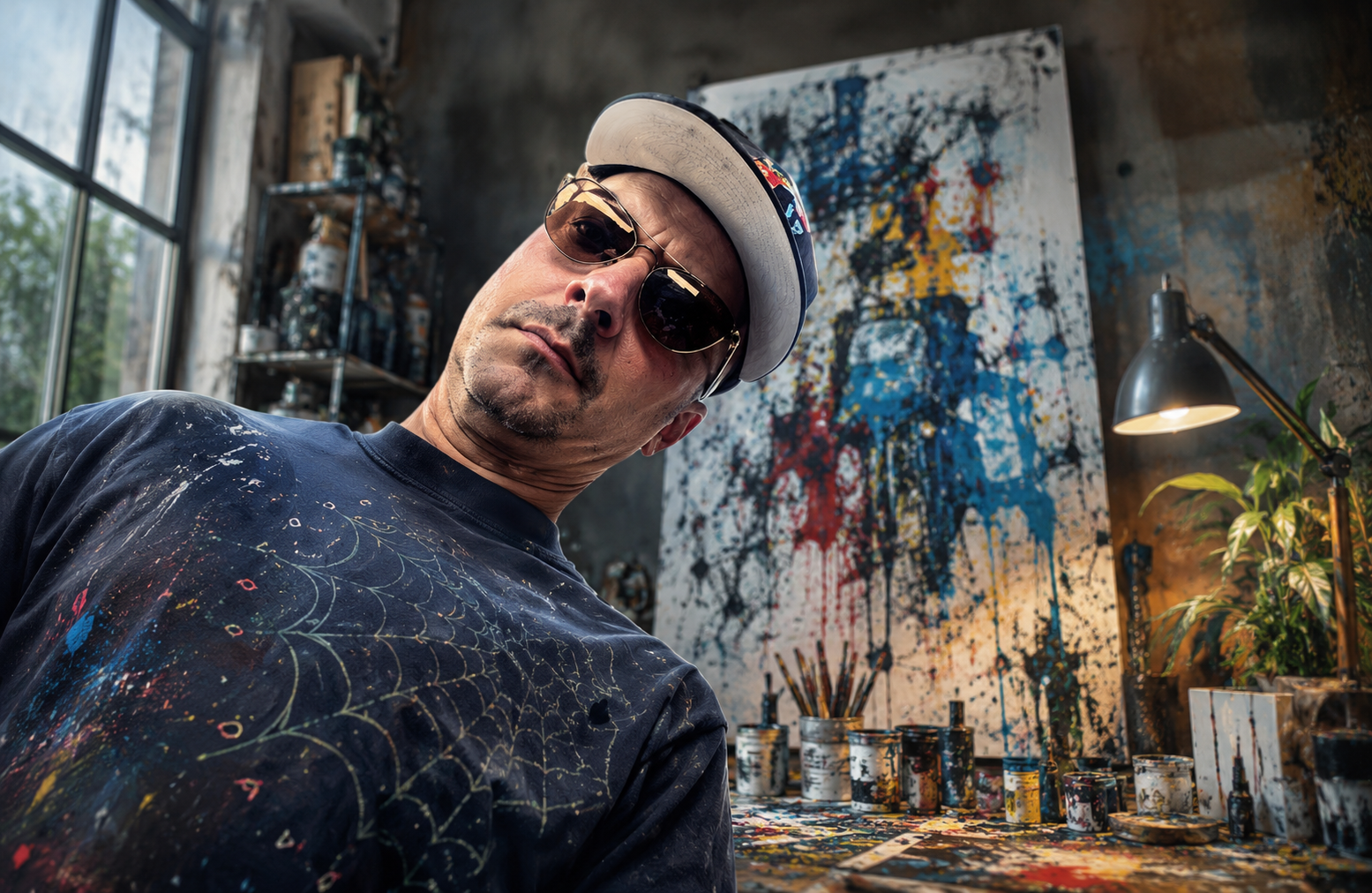
Who Is Paul Urich?
Introduction to the Contemporary Artist
Paul Urich is an American contemporary multimedia artist, illustrator, and tattooist whose work reflects sophisticated engagement with urban culture, traditional tattoo aesthetics, and experimental artistic practices. Born in Florida in 1974, he has established himself as significant figure within underground art communities, particularly within California’s vibrant artistic landscape. His work demonstrates commitment to exploring intersection between fine art and applied arts, refusing conventional boundaries separating “high” art from culturally grounded street aesthetics.
What distinguishes Paul Urich from many contemporary artists is his integration of practical craft traditions—particularly tattooing—with sophisticated fine art practice. Rather than viewing tattoo work and fine art as separate professional activities, he understands them as interconnected expressions of creative vision. The synthesis of these practices creates distinctive artistic voice valuing both conceptual sophistication and tangible craft skill.
Urich’s reputation extends across multiple creative communities: fine art circles recognizing his exhibition work, tattoo communities respecting his experimental approach, skateboarding culture appreciating his design contributions, and broader cultural discourse acknowledging his work’s significance. The multi-community recognition reflects the genuine cross-disciplinary nature of his artistic practice.
Quick Info
| Detail | Information |
|---|---|
| Full Name | Paul Urich |
| Date of Birth | 1974 |
| Birthplace | Florida |
| Current Base | California |
| Profession | Contemporary Multimedia Artist, Illustrator, Tattooist |
| Artistic Mediums | Watercolors, Ballpoint Pen, Etching, Assemblage, Fabric Paint |
| Primary Base (Tattooing) | San Francisco’s Mission District |
| Tattoo Specialty | Custom DIY tattoo machines, experimental body modification |
| Signature Concept | “Primitive Machines” (framed custom tattoo machines) |
| Career Start | Early 2000s exhibitions (San Francisco, San Jose) |
| Notable Influences | Tattoo motifs, skate culture, urban aesthetics |
| Geographic Inspiration | East Oakland neighborhood grit and textures |
| First Solo LA Exhibition | Sweet Dream Woman (2024, These Days Gallery) |
| Element Skateboards Collaboration | Hand-painted skateboards, art book compilation |
| Nike SB Connection | Nike SB Dunk High “Paul Urich” sneaker |
| Sneaker Release Era | Early 2000s |
| Sneaker Features | Striped patterns, canvas materials |
| The People’s Artist Project | Featured in Johnny Depp-presented fundraiser |
| Non-Profit Partner | The Art of Elysium |
| Previous Spouse | Kari Byron (MythBusters host) |
| Marriage Status | Separated 2020 |
| Kari Byron Show | Discovery Channel’s MythBusters |
| Art Style | Contemporary, experimental, urban-influenced |
| Material Approach | Found urban materials, traditional illustration styles |
| Current Status | Active artist, tattooist, cultural figure |
Early Life and Artistic Formation
Paul Urich was born in Florida in 1974, establishing him as member of Generation X. His Florida origins provided initial life experience before his eventual relocation to California, which became the primary base for his artistic development and professional activity.
The specific circumstances of his artistic development—his influences, mentors, and early experiences—are not extensively documented in available sources. The sparse biographical information regarding his early life suggests privacy preferences similar to many artistic figures who emphasize their work over personal narratives.
Artistic Practice and Mediums
Multimedia Approach and Technical Versatility
Paul Urich’s artistic practice is distinguished by extensive technical versatility across diverse mediums including watercolors, ballpoint pen drawings, etching, assemblage, and fabric paint. The range of mediums demonstrates both technical skill across different practices and philosophical approach valuing experimentation over specialization. Rather than limiting himself to single medium mastery, he explores how different technical approaches generate different expressive possibilities.
The multimedia approach reflects contemporary art practice valuing conceptual coherence across diverse materials rather than technical mastery within single medium. The consistency of artistic vision across different mediums—watercolor paintings, pen drawings, etched plates, assembled objects—validates that his artistic statement transcends any particular technical approach.
Urban Aesthetic and Found Materials
Urich’s work is heavily influenced by urban environments, particularly the East Oakland neighborhood where he developed much of his artistic sensibility. The East Oakland context provided exposure to distinctive visual culture, material scarcity creating innovative responses, and authentic street aesthetics valuing functionality and spontaneity over polish and pretension.
The integration of found urban materials—discarded objects, street detritus, overlooked items—reflects both practical resourcefulness and philosophical commitment to materials’ inherent value. Rather than viewing found objects as inferior substitutes for purchased materials, Urich understands them as possessing distinctive character and authenticity. The practice aligns with broader artistic traditions valuing materials’ histories and urban contexts.
Blending Traditional and Contemporary
Urich’s artistic practice demonstrates commitment to blending traditional illustration styles with contemporary conceptual approaches. The incorporation of classic illustration techniques—particularly those evident in traditional tattoo design—within fine art context challenges artificial boundaries between applied and fine arts. The work suggests that traditional techniques possess continued relevance within contemporary artistic discourse.
The respect for traditional illustration methods prevents his work from becoming purely conceptual or detached from material reality. The visual beauty and technical skill evident in his drawings and paintings ensure that conceptual sophistication is grounded in sensuous visual experience.
Tattoo Art and the “Primitive Machines” Concept
Experimental Tattoo Practice
Paul Urich operates as tattooist primarily out of San Francisco’s Mission District, recognized for highly experimental approach to body modification. His tattoo practice extends far beyond conventional tattooing to encompass artistic investigation of the medium itself, questioning assumptions about tattooing technology and processes.
The San Francisco location reflects the city’s significant tattoo culture and artistic community. The Mission District specifically possesses reputation for artistic innovation, countercultural values, and creative diversity. Urich’s location within this neighborhood situates him within community of artists, activists, and cultural practitioners valuing authenticity and innovation.
Custom DIY Tattoo Machines
A particularly distinctive aspect of Urich’s practice involves designing and building custom, DIY tattoo machines utilizing obsolete, low-tech hardware. Rather than using commercially manufactured machines, he constructs functional tattooing instruments from salvaged components and outdated technology. The practice reflects philosophical commitment to understanding tattooing technology fundamentally rather than relying on commercial products.
The DIY approach connects to broader maker culture and punk ethics valuing self-sufficiency and resistance to commercial standardization. The construction of custom machines requires mechanical knowledge, electrical understanding, and willingness to experiment with non-standard approaches. The custom machines likely produce distinctive visual characteristics reflecting their non-standard construction.
The “Primitive Machines” Artistic Concept
Upon completing tattooing sessions, Urich employs distinctive artistic practice: he reframes the custom tattoo machines within customized shadowboxes surrounded by original sketches, text, and discarded items collected from city streets. This transformation of functional tools into fine art objects represents sophisticated artistic statement about relationships between craft, function, and aesthetic value.
The “Primitive Machines” concept elevates tattooing equipment to art object status, validating craft tools as worthy of aesthetic contemplation. The surrounding sketches and street-collected materials contextualize machines within broader artistic practice, demonstrating continuity between tattooing, drawing, and found object art. The presentation elevates audience understanding of tattooing process while creating visually compelling art objects.
The framing process preserves evidence of specific tattooing sessions while transforming functional objects into fine art. The shadowbox presentation—reminiscent of traditional craft or natural history display—paradoxically elevates contemporary tattooing equipment to museum-quality presentation typically reserved for historical artifacts or fine art objects.
Commercial Collaborations and Brand Partnerships
Element Skateboards Collaboration
Early in his career, Paul Urich designed limited-edition hand-painted skateboards for Element Skateboards, a prominent skate apparel brand. The collaboration included pairing skateboards with a compilation art book, creating integrated artistic project combining physical objects with documentation.
The skateboarding collaboration reflects Urich’s connection to skate culture and artistic aesthetics influenced by skateboarding community. The hand-painted approach—rather than mass-produced printing—emphasizes individual craft and authentic artistic practice. The accompanying art book transformed the collaboration from commercial product into documented artistic statement.
Nike SB Dunk High “Paul Urich” Sneaker
Urich is widely recognized within sneaker communities for creative ties to the iconic Nike SB Dunk High “Paul Urich” sneaker, an early 2000s release celebrating striped patterns and canvas materials. The sneaker design reflects his artistic aesthetic while introducing it to broader popular audiences through Nike’s significant market reach.
The sneaker design translates his artistic vocabulary—stripe patterns, canvas materials, restrained color palettes—into functional footwear. The collaborative approach allows his aesthetic to reach audiences far beyond traditional fine art or tattoo communities. The early 2000s timing coincided with Nike SB’s emergence as significant player in sneaker culture and skateboarding-influenced fashion.
The inclusion of his name in the product title represents significant recognition, validating his design contributions and elevating his profile within sneaker culture. The sneaker has achieved cult status among collectors, suggesting the design’s enduring appeal and quality.
The People’s Artist Project
Urich was featured in The People’s Artist project presented by Johnny Depp, placing among top contestants in his group to raise funds for The Art of Elysium, a non-profit organization supporting artists. The project brought together diverse artists for fundraising and recognition purposes, with Johnny Depp’s involvement lending significant visibility and prestige.
The Art of Elysium connection reflects Urich’s alignment with artistic communities valuing social contribution alongside personal achievement. The non-profit’s mission—supporting artists through charitable activity—aligns with broader artistic values emphasizing community benefit. Urich’s participation demonstrates willingness to contribute to collective artistic missions beyond personal career advancement.
Personal Life and Family Connections
Marriage to Kari Byron
Paul Urich was previously married to Kari Byron, artist and television host best known for her role on the Discovery Channel show MythBusters. The marriage connected him to significant pop culture figure, though both parties maintained relatively separate professional identities and careers.
The connection to Kari Byron likely increased Urich’s visibility within mainstream audiences encountering MythBusters through television viewership. The relationship represented intersection between underground/alternative art communities and mainstream television entertainment.
2020 Separation
The couple separated in 2020, ending their marriage and beginning separate life trajectories. The separation occurred during particularly complex historical moment coinciding with COVID-19 pandemic and broader social upheaval. The specific reasons for separation remain private, as both parties have maintained discretion regarding personal relationship details.
The separation marked significant personal transition for both individuals, likely affecting their artistic practices and professional activities. Kari Byron continued her television and entertainment career while Urich maintained focus on his artistic practice in California.
Artistic Philosophy and Cultural Significance
Integration of Fine Art and Applied Arts
Urich’s most significant contribution to contemporary art practice is refusal to accept conventional boundaries between fine art and applied arts. His work demonstrates that sophisticated artistic vision can operate across mediums and contexts, that tattoo design possesses artistic merit equal to fine art painting, and that commercial collaborations need not compromise artistic integrity.
This integrative approach challenges elitist art world hierarchies that traditionally value painting and sculpture above craft practices like tattoo design or illustration. By operating successfully across multiple art world contexts simultaneously, Urich validates existence of multiple equally valid artistic practices.
Urban Aesthetics and Street Culture
Urich’s consistent engagement with urban environments and street culture reflects broader artistic recognition that authentic aesthetic value exists in cities’ overlooked corners and discarded materials. His work validates street aesthetics and found materials as legitimate artistic subjects without requiring romanticization or artificial elevation. The authenticity of his engagement with urban culture derives from genuine connection rather than studied irony or distant observation.
Craft Traditions and Contemporary Practice
The respect evident in Urich’s engagement with traditional tattoo aesthetics and illustration techniques reflects belief that historical artistic practices possess continued relevance. Rather than viewing traditional approaches as obsolete or merely historical, he demonstrates how they can generate meaningful contemporary art when approached with sophistication and innovation.
Frequently Asked Questions
Background and Identity Questions
Q: Who is Paul Urich?
A: Paul Urich is an American contemporary multimedia artist, illustrator, and tattooist known for experimental artistic practice blending fine art with tattoo culture, skateboarding aesthetics, and urban environments.
Q: When was Paul Urich born?
A: Paul Urich was born in 1974.
Q: Where was Paul Urich born?
A: Paul Urich was born in Florida.
Q: Where does Paul Urich live?
A: Paul Urich is based in California, with primary tattooing operations in San Francisco’s Mission District.
Q: What is Paul Urich known for?
A: Paul Urich is known for experimental tattoo practice featuring custom DIY machines, fine art exhibitions, skateboard design collaboration, and Nike SB sneaker design.
Artistic Practice Questions
Q: What mediums does Paul Urich work in?
A: Paul Urich works in watercolors, ballpoint pen drawings, etching, assemblage, and fabric paint, demonstrating extensive technical versatility.
Q: What is Paul Urich’s artistic style?
A: Urich’s style blends traditional tattoo aesthetics with contemporary art practice, emphasizing urban influences, found materials, and experimental approaches across mediums.
Q: What does “Primitive Machines” mean in Paul Urich’s work?
A: “Primitive Machines” refers to Urich’s practice of building custom DIY tattoo machines and then framing them as art objects with sketches and found street materials.
Q: Where does Paul Urich display his work?
A: Urich has exhibited work in San Francisco and San Jose galleries. His first solo Los Angeles exhibition, titled “Sweet Dream Woman,” debuted in 2024 at These Days Gallery.
Q: What is Paul Urich’s approach to tattooing?
A: Urich employs experimental approach to tattooing, designing and building custom machines from obsolete hardware rather than using commercial equipment, reflecting innovative philosophical stance toward the medium.
Commercial Collaboration Questions
Q: Did Paul Urich design skateboards?
A: Yes, Paul Urich designed limited-edition hand-painted skateboards for Element Skateboards, paired with an accompanying art book compilation.
Q: What is the Nike SB Dunk High “Paul Urich” sneaker?
A: The Nike SB Dunk High “Paul Urich” is an early 2000s sneaker collaboration featuring striped patterns and canvas materials reflecting Urich’s artistic aesthetic.
Q: Is the Nike SB Dunk High “Paul Urich” still available?
A: The Nike SB Dunk High “Paul Urich” is an early 2000s release and is no longer in current production. The sneaker has become a collector’s item with significant resale value.
Q: What is The People’s Artist project?
A: The People’s Artist is a Johnny Depp-presented project featuring artists competing to raise funds for The Art of Elysium non-profit organization.
Q: Did Paul Urich win The People’s Artist?
A: Paul Urich was featured in The People’s Artist project and placed among top contestants in his group.
Personal Life Questions
Q: Was Paul Urich married to Kari Byron?
A: Yes, Paul Urich was married to Kari Byron, television host known for Discovery Channel’s MythBusters.
Q: When did Paul Urich and Kari Byron separate?
A: Paul Urich and Kari Byron separated in 2020.
Q: Do Paul Urich and Kari Byron have children?
A: Information regarding children from their marriage is not publicly documented.
Q: What is Kari Byron known for?
A: Kari Byron is best known for her role on the Discovery Channel show MythBusters, where she served as host and experimenter.
Geographic and Cultural Questions
Q: Why does Paul Urich work in San Francisco’s Mission District?
A: The Mission District has significant tattoo culture and artistic community valuing innovation and countercultural approaches, making it ideal location for Urich’s experimental practice.
Q: How does East Oakland influence Paul Urich’s work?
A: Urich’s artistic aesthetic reflects East Oakland’s grit and textures, incorporating urban materials and valuing authentic street aesthetics over polished commercial approaches.
Q: What is skate culture’s influence on Paul Urich’s work?
A: Skateboarding culture’s values of authenticity, DIY ethics, and innovative approaches influence Urich’s artistic philosophy and aesthetic choices.
Contemporary Questions
Q: Is Paul Urich still creating art?
A: Yes, Paul Urich is active as artist and tattooist, with 2024 Los Angeles exhibition indicating continued artistic practice and exhibition activity.
Q: Where can I see Paul Urich’s work?
A: Urich’s work can be seen through gallery exhibitions, his tattooing practice in San Francisco, and collections of individuals owning his art and designs.
Q: Is Paul Urich’s work available for purchase?
A: Original artworks and limited editions may be available through galleries and direct artist contact, though specific availability would require contacting galleries or artist directly.
Conclusion
Paul Urich represents significant figure in contemporary art practice, particularly within communities valuing experimentation, craft tradition, and urban aesthetics. His integration of fine art and applied arts—most notably through his experimental tattoo practice—demonstrates that artificial hierarchies separating different artistic mediums lack merit. His work validates multiple equally legitimate artistic approaches operating from different philosophical and practical perspectives.
The “Primitive Machines” concept represents perhaps his most original artistic contribution, transforming functional tattooing equipment into contemplative art objects surrounded by sketches and collected urban materials. The practice demonstrates sophisticated understanding of how artistic framing transforms everyday objects’ meaning while preserving evidence of authentic creative process.
His collaborations with Element Skateboards and Nike SB demonstrate ability to work within commercial contexts without compromising artistic integrity. The successful translation of his aesthetic into functional products suggests his work’s universal appeal extending beyond traditional fine art audiences.
The 2024 “Sweet Dream Woman” exhibition in Los Angeles indicates continued artistic vitality and evolution. The Los Angeles exhibition represents significant milestone, bringing his work to major art market while potentially reaching broader audiences recognizing his contributions.
His marriage to and separation from Kari Byron represented personal chapter within broader artistic career. The relationship intersected underground art communities with mainstream television entertainment, though both parties maintained relatively separate professional identities.
Paul Urich exemplifies contemporary artist succeeding across multiple creative contexts simultaneously—fine art exhibitions, tattoo practice, commercial design, sneaker design, and broader cultural engagement. The breadth of his practice validates that meaningful artistic careers need not follow conventional pathways or remain confined within single medium or institutional context.
The human-centered approach to his work—emphasizing authentic materials, genuine urban engagement, and respect for craft traditions—distinguishes him within art world sometimes emphasizing conceptual sophistication over tangible execution. His art maintains visual appeal and technical skill while engaging sophisticated ideas about craft, materials, and artistic value.
Ultimately, Paul Urich’s significance derives from his refusal to accept conventional artistic boundaries, his demonstrated technical versatility across mediums, his authentic engagement with urban and skateboarding cultures, and his innovative philosophical approach to tattooing as legitimate artistic practice deserving aesthetic contemplation.