

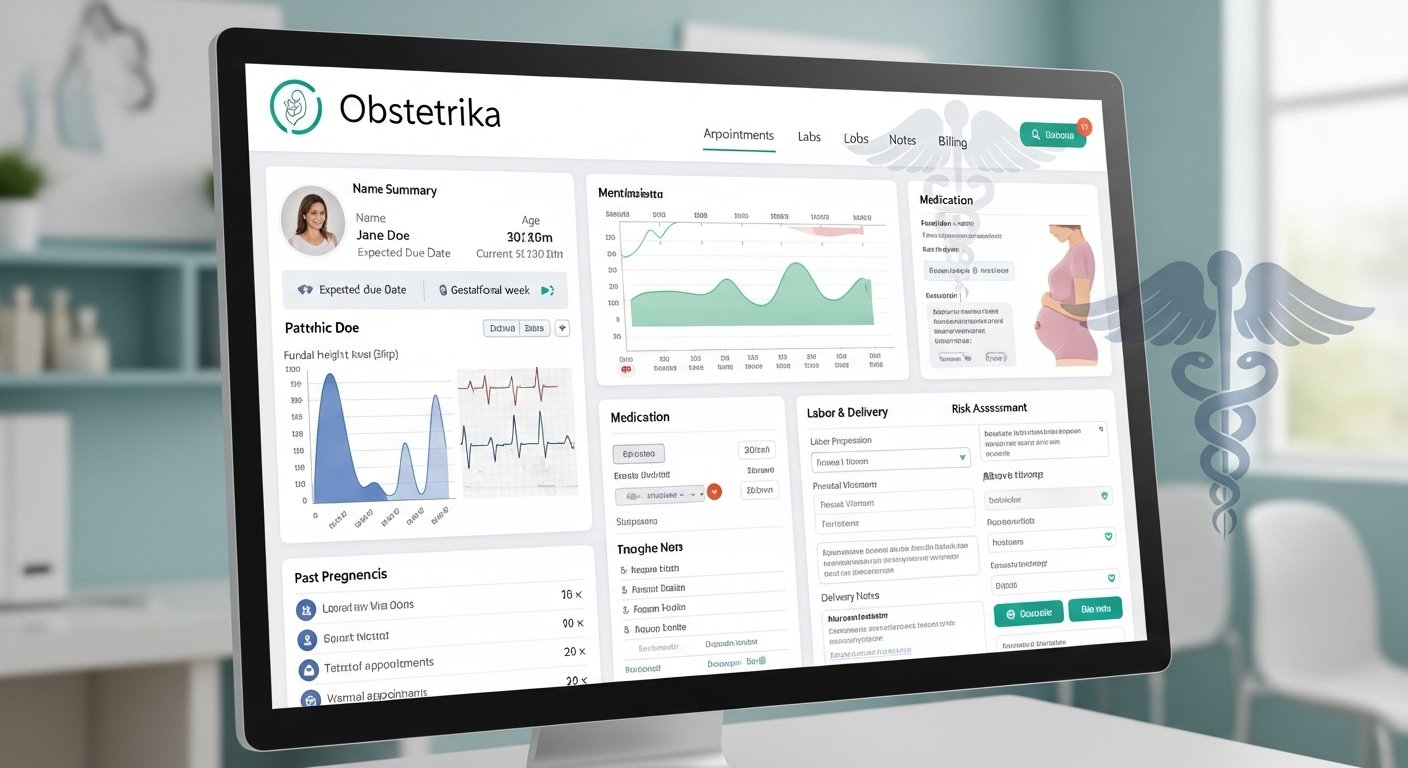
In the ever-evolving landscape of healthcare technology, the importance of specialized electronic medical records (EMR) systems cannot be overstated. Obstetrika emerges as a groundbreaking solution tailored specifically for obstetric care, addressing unique challenges faced by practitioners in this field. This innovative platform not only streamlines workflow but also enhances patient interaction and data management. For healthcare providers dedicated to maternal health, adopting an EMR like Obstetrika could be a game changer. Let’s explore how it meets the specific needs of obstetricians and their patients alike.
The Need for a Specialized EMR for Obstetric Care
Obstetric care is unique. It involves more than just standard patient interactions. Obstetricians manage complex medical histories, prenatal screenings, and postpartum follow-ups all in one workflow.
Traditional EMRs often fall short in meeting these specialized needs. They may lack functionalities tailored for obstetric models of care. As a result, important data can be overlooked or mismanaged.
A specialized EMR like Obstetrika addresses this gap effectively. By providing tools specifically designed for tracking pregnancies and maternal health metrics, it enhances overall efficiency.
Care providers need seamless access to comprehensive patient information at their fingertips. An optimized platform allows them to deliver timely interventions when necessary.
This focus on obstetrics not only streamlines documentation but also supports clinical decision-making with relevant data insights. The right EMR can enhance care quality for both mothers and their infants throughout the entire journey of pregnancy.
Features and Benefits of Obstetrika
Obstetrika offers a host of features designed specifically for obstetric care. Its intuitive interface simplifies the documentation process, allowing healthcare providers to focus more on patient interaction.
One standout feature is the customizable templates tailored for various stages of pregnancy. This flexibility ensures that practitioners can efficiently document critical information without missing vital details.
The integrated communication tools facilitate seamless collaboration among care teams. Providers can share real-time updates and access shared medical histories with ease, improving coordination in patient management.
Data analytics capabilities allow practices to track outcomes effectively. By evaluating trends and patterns over time, clinicians can make informed decisions that enhance prenatal care quality.
Robust security measures protect sensitive patient data while ensuring compliance with regulations. Obstetrika prioritizes privacy so both patients and providers feel secure in their interactions.
How Obstetrika Improves Patient Care
Obstetrika enhances patient care through streamlined workflows. By centralizing vital information, it allows healthcare providers to access patient history and needs promptly.
Real-time data entry minimizes errors. Clinicians can focus on what truly matters—providing quality care without the distraction of paperwork.
The intuitive interface encourages better communication among team members. This fosters collaboration, ensuring that all staff are aligned in their approach to each patient’s journey.
Moreover, Obstetrika’s analytical tools support proactive decision-making. Providers have insights into trends and patterns that inform treatment plans tailored specifically for pregnant patients.
Patient engagement improves as well through features like portals for easy access to personal health records. Expectant mothers feel more empowered when they can track their own progress and communicate with their caregivers openly.
With these innovations, Obstetrika is redefining how obstetric care is delivered, making every interaction count towards a healthier outcome.
Case Studies: Real-Life Examples of Obstetrika in Action
In a large urban hospital, Obstetrika streamlined the management of prenatal care. The staff reported reduced paperwork and improved documentation accuracy. Patients appreciated shorter waiting times, leading to higher satisfaction rates.
Another clinic specializing in high-risk pregnancies adopted Obstetrika to enhance communication among specialists. The software provided instant access to patient data across departments. This connectivity proved vital during emergencies, ensuring timely interventions.
A rural practice utilized Obstetrika’s telehealth features effectively after facing challenges with patient accessibility. By offering virtual consultations through the platform, they connected with expectant mothers who previously struggled to attend appointments regularly.
These real-life examples illustrate how Obstetrika empowers healthcare providers and positively impacts patient experiences in diverse settings. Each case highlights its adaptability and effectiveness in meeting unique obstetric needs while enhancing overall care delivery.
Implementation and Training Process
Implementing Obstetrika involves a streamlined process designed for efficiency. The initial step focuses on assessing the specific needs of the obstetric practice. This ensures that the system aligns with existing workflows.
Next, data migration comes into play. Existing patient records are carefully transferred to ensure a seamless transition without losing vital information.
Training is crucial and tailored to different user roles within the practice. Comprehensive workshops provide hands-on experience with the software’s features, making it easier for staff to adapt quickly.
Support doesn’t end after training sessions. Ongoing assistance is readily available through dedicated customer service teams who can address any concerns as they arise.
The goal is not just implementation but fostering comfort and confidence among users in navigating their new digital environment effectively.
Future Developments and Updates for Obstetrika
The future of Obstetrika promises exciting advancements tailored to the evolving needs of obstetric care. Developers are continuously integrating cutting-edge technologies like artificial intelligence and machine learning. These innovations aim to enhance predictive analytics for pregnancy outcomes.
User feedback is a priority in shaping upcoming features. This ensures that Obstetrika remains intuitive and addresses real-world challenges faced by healthcare providers. Enhanced telehealth capabilities will soon empower practitioners to monitor patients remotely, ensuring comprehensive care regardless of location.
Collaboration with leading maternal health organizations is also on the horizon. This partnership will foster research-driven updates, allowing Obstetrika to align with best practices in obstetric medicine.
Regular software updates will keep the platform responsive and secure, benefiting both clinicians and patients alike. The commitment to an adaptable ecosystem positions Obstetrika as a leader in tech-driven obstetric solutions moving forward.
Conclusion
Obstetrika stands at the forefront of healthcare technology, specifically tailored for obstetric care. As demand for specialized medical solutions grows, Obstetrika addresses unique challenges faced by obstetricians and their patients. Its focused features streamline workflows, enhance communication, and ensure that both providers and patients receive the best possible experience.
With real-life implementations demonstrating improved patient outcomes and satisfaction, Obstetrika is more than just an EMR; it’s a vital tool in modern obstetrics. The ongoing commitment to updates means it will continue evolving alongside emerging needs in women’s health.
For practitioners looking to elevate their practice while ensuring high-quality care for mothers and babies alike, Obstetrika emerges as a compelling option worth considering.