

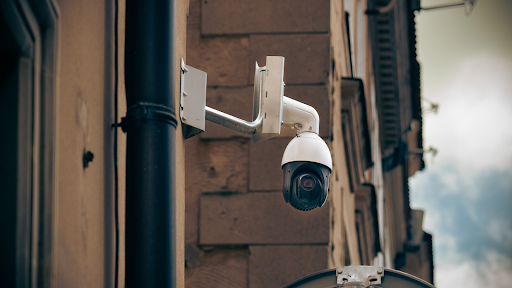
You’re probably rethinking your security approach right now. And honestly? You should be. Those old-school security setups just aren’t cutting it anymore; threats move faster than your traditional cameras can even blink. Smart surveillance isn’t simply an upgrade; it’s a complete paradigm shift.
We’re talking about moving from passive recording to active defense, where artificial intelligence teams up with advanced sensors to catch threats before they turn into full-blown incidents. This isn’t about fancier cameras. It’s about building systems that actually think, adapt, and react instantly to keep your spaces genuinely safer.
The Evolution of Surveillance Systems
Security tech has traveled an incredible distance from those grainy VHS tapes and bored security guards. The jump from basic CCTV to intelligent surveillance systems represents one of the biggest leaps in safety strategy we’ve ever seen.
Traditional Surveillance Limitations That Demanded Innovation
Here’s the problem with old cameras: they just sat there recording. Someone had to sift through hours, sometimes days, of footage after something bad already happened. Zero prevention, just documentation of disasters. And let’s be real: no human can stare at twenty screens simultaneously without zoning out and missing crucial moments.
The data paints a concerning picture. Small and medium businesses face nearly identical hacking risks as corporate giants, yet 60% of SMBs have no cyber attack prevention plan whatsoever. Storage became its own nightmare, tapes filled, drives crashed, and locating specific footage meant endless scrolling through mind-numbing recordings. False alarms constantly drained security resources on meaningless alerts while actual threats waltzed right through.
The Technology Breakthrough That Changed Everything
Then artificial intelligence entered the picture and flipped everything upside down. Machine learning algorithms now scan thousands of video feeds at once, catching patterns that would sail right past human eyes. Cloud computing wiped out storage headaches. IoT connectivity built networks where cameras, sensors, and access points talk to each other instantly.
In many ways, ai security guards now work alongside staff, turning raw footage into real-time insight. Security technology transformed from dumb recording devices to intelligent analysts. Computer vision enables systems to identify objects, recognize faces, and spot unusual behaviors automatically. These aren’t minor tweaks; they’re fundamental shifts that expanded what’s possible in protecting people and property.
Core Technologies Powering Smart Surveillance Revolution
Multiple breakthrough technologies mesh together to enable intelligent monitoring. Understanding these pieces helps you make way better decisions about your security investments.
Artificial Intelligence and Deep Learning Capabilities
AI handles the impossible workload that human operators simply can’t manage. Algorithms trained on millions of images distinguish between people, vehicles, and wandering cats with stunning accuracy. Facial recognition picks out individuals in packed crowds. Behavioral analysis spots suspicious activity before situations explode.
The real breakthrough? Pattern recognition. Systems learn what “normal” looks like in your specific environment, then ping security teams when something feels off. This proactive stance prevents incidents instead of just recording them for insurance claims later. Anomaly detection through AI has slashed false alarms by over 90% in many real-world applications, freeing up security personnel to focus exclusively on legitimate threats.
Edge Computing and Real-Time Processing
Processing happens directly at the camera now, not in some far-off server farm. This edge computing approach delivers lightning-fast responses. Milliseconds versus seconds genuinely matter when threats materialize. Bandwidth gets optimized since only meaningful data travels to central systems.
Privacy wins with local processing too. Sensitive footage stays on your premises during analysis, addressing legitimate concerns about data bouncing through multiple networks. When your internet connection dies, cameras keep functioning independently, maintaining continuous protection. Technologies like AI security guards perfectly demonstrate this shift, enabling autonomous monitoring that runs without constant human babysitting or cloud dependency.
IoT Integration and Multi-Sensor Fusion
Cameras don’t operate in isolation anymore. They link with access control systems, environmental sensors detecting smoke or strange sounds, and license plate readers tracking vehicle patterns. This sensor fusion creates comprehensive situational awareness that single-point solutions have never achieved.
Modern safety relies on these interconnected ecosystems. When a camera spots someone approaching a restricted entrance, it alerts the access system, verifies their credentials, and either grants entry or triggers alarms, all happening without human input. This coordination transforms isolated security gadgets into unified protection networks.
Transformative Impact on Public Safety Solutions
Any technology’s true value shows up in practical results. Intelligent monitoring delivers measurable improvements across multiple safety dimensions.
Crime Prevention Through Proactive Intelligence
Prevention absolutely beats response. Real-time threat detection lets your security teams step in before crimes happen, not scramble afterward. Virtual perimeters sound alerts when unauthorized people enter restricted zones. Loitering detection flags suspicious behavior patterns early.
Cities rolling out intelligent systems have documented 30-40% crime reductions in monitored zones. Predictive analytics leverage historical data to pinpoint high-risk times and locations, enabling strategic resource placement. Automated coordination with emergency services accelerates responses when incidents do break through.
Enhanced Response Coordination
During emergencies, every single second counts. Intelligent systems automatically detect incidents and notify appropriate responders with live feeds and exact location data. First responders arrive already knowing what they’re walking into. Integration with emergency dispatch systems streamlines coordination. Multiple agencies access shared video feeds, eliminating communication gaps that historically slow responses.
Industry-Specific Applications Revolutionizing Safety
Different industries face wildly different security challenges. Smart surveillance adapts to meet these specialized needs through targeted applications.
Smart Cities and Urban Safety Infrastructure
Municipal environments benefit massively from intelligent monitoring. Traffic systems detect accidents immediately, rerouting vehicles and alerting emergency crews. Public spaces like parks gain protection without creating that Big Brother feeling.
Infrastructure monitoring tracks the structural health of bridges and utilities, catching issues before catastrophes strike. Environmental sensors detect everything from chemical spills to severe weather, triggering appropriate responses. Singapore’s Smart Nation initiative shows how comprehensive urban surveillance improves both safety and daily quality of life.
Retail and Commercial Security Enhancement
Retail spaces face relentless threats, theft, vandalism, and workplace violence. Loss prevention systems using AI spot shoplifting behaviors, dramatically reducing shrinkage. Some chains report 52% theft reductions after implementing intelligent surveillance.
Customer behavior analytics improve safety by identifying dangerous overcrowding conditions. Queue management prevents crushes during peak hours. Workplace violence prevention systems catch threatening behaviors early. The ROI extends beyond security; operational insights from video data inform business decisions about staffing patterns, store layout, and inventory placement.
Privacy, Ethics, and Regulatory Compliance in Smart Surveillance
Powerful technology demands responsible deployment. You must balance security benefits against individual privacy rights and ethical considerations.
Balancing Security Needs with Privacy Rights
Privacy-by-design principles should guide your implementation from day one. Data encryption protects sensitive information. Anonymization techniques strip identifying details from analytics. Transparent policies inform people what’s monitored and why.
Community engagement builds essential trust. When people understand how surveillance protects them without invasive tracking, acceptance skyrockets. Some systems offer facial recognition opt-out mechanisms, respecting individual preferences while maintaining overall security effectiveness.
Ethical AI Implementation Best Practices
Algorithmic bias poses genuine risks. Diverse training data ensures systems work fairly across demographics. Regular audits catch problems early. Third-party assessments provide an objective evaluation.
Algorithmic transparency matters; your security teams should understand how systems reach conclusions. Establishing ethical oversight committees ensures ongoing accountability as technology evolves. Public safety solutions must serve everyone equitably, not just privileged groups.
Final Thoughts on Intelligent Security
Smart surveillance has shifted from luxury to necessity for any organization serious about safety. The combination of AI, real-time analytics, and interconnected sensors creates protection that traditional methods simply cannot match. Privacy concerns absolutely deserve attention, but thoughtful implementation effectively balances security with individual rights.
The question isn’t whether you’ll adopt these systems, it’s when and how you’ll start. Organizations waiting on the sidelines face escalating risks while competitors gain advantages from superior protection and operational insights. Starting small with scalable solutions makes intelligent monitoring accessible regardless of your organization’s size, creating genuinely safer environments that benefit everyone involved.
FAQs on Intelligent Monitoring Systems
- What makes smart surveillance different from regular cameras?
Regular cameras just record footage passively. Smart systems use AI to analyze video as it happens, detecting threats, recognizing patterns, and alerting security teams automatically, transforming passive recording into active protection that genuinely prevents incidents.
- How much do intelligent surveillance systems typically cost?
Costs vary dramatically based on scale and features, but cloud-based solutions often start around $50-100 monthly per camera. Many systems integrate with your existing cameras, reducing upfront investments while adding intelligent capabilities gradually as your budget allows.
- Can these systems work without internet connectivity?
Absolutely. Edge computing enables cameras to process footage locally. They’ll continue detecting threats and recording during outages, syncing data once connectivity returns. This resilience ensures uninterrupted protection regardless of network status.