

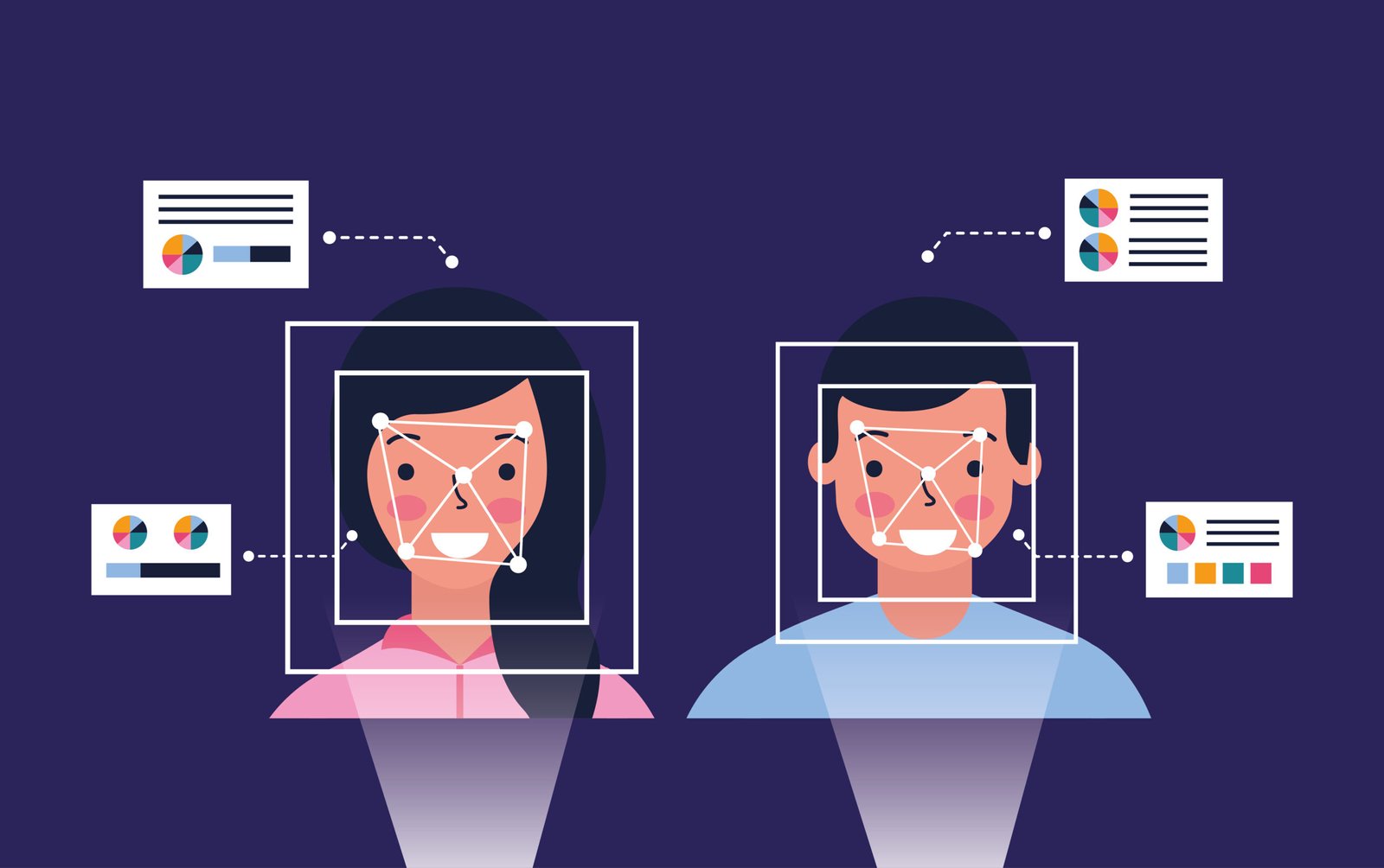
In the digital age, the rise of artificial intelligence (AI) has brought many innovations, but it has also introduced new challenges. One of the most concerning developments is the creation of deepfakes. Deepfakes are highly realistic synthetic media, often videos or images, generated using AI that can manipulate appearances, voices, or actions. While these technologies can have entertainment or educational uses, they can also be exploited for fraud, misinformation, and identity theft. This is where deepfake detection plays a critical role.
What Are Deepfakes?
Deepfakes are AI-generated representations of real people, designed to look authentic. They often involve:
- Face Swapping:Replacing someone’s face with another person’s likeness in videos or images.
- Voice Cloning:Mimicking a person’s voice to create synthetic audio messages.
- Synthetic Media Creation:Combining video, voice, and images to produce realistic yet fake content.
These deepfakes can be extremely convincing, making it difficult for individuals or organizations to distinguish real from fake content without specialized tools.
Why Deepfake Detection Matters
The need for deepfake detection has grown as these technologies have become more accessible. Without effective detection, deepfakes can be used to:
- Spread misinformation or fake news online.
- Commit financial fraud or scams.
- Damage reputations of individuals or organizations.
- Manipulate evidence in legal or governmental contexts.
For these reasons, detecting deepfakes is essential for protecting both personal identities and organizational security.
How Deepfake Detection Works
Deepfake detection relies on sophisticated AI algorithms and biometric analysis to identify inconsistencies that may indicate synthetic media. Key methods include:
- Facial Analysis:Examining micro-expressions, eye movements, and subtle facial asymmetries that are difficult for AI to replicate perfectly.
- Voice and Audio Analysis:Detecting unnatural pauses, pitch variations, or other voice characteristics that are inconsistent with human speech.
- Media Forensics:Analyzing the pixel-level structure of images and videos to find artifacts or digital traces left by manipulation tools.
These techniques work together to increase the reliability of detection and reduce false positives.
Applications of Deepfake Detection
Deepfake detection is increasingly used across industries to enhance security and trust. Common applications include:
1. Identity Verification
Organizations use deepfake detection to verify identities remotely. This ensures that individuals accessing sensitive services, such as financial accounts or government portals, are genuine and not using manipulated media to impersonate someone else.
2. Online Security
By detecting deepfakes, cybersecurity teams can prevent phishing attacks and scams that rely on synthetic audio or video messages to deceive employees or clients.
3. Legal and Law Enforcement
Deepfake detection can help authorities verify the authenticity of video evidence in legal investigations, preventing manipulated content from influencing decisions.
4. Content Moderation
Social media platforms and online communities can use deepfake detection to identify and remove manipulated content, reducing the spread of misinformation and harmful content.
Challenges in Deepfake Detection
While deepfake detection is highly effective, it faces several challenges:
- Rapid Evolution:Deepfake creation tools continuously improve, making detection more complex.
- High-Quality Fakes:Advanced AI can produce extremely realistic videos and audio that are hard to detect without sophisticated tools.
- Volume of Content:The sheer amount of digital media uploaded online makes monitoring every piece of content difficult.
Continuous research and innovation are required to keep detection methods ahead of emerging deepfake technologies.
Best Practices for Organizations
To mitigate risks associated with deepfakes, organizations can implement several strategies:
- Integrate Deepfake Detection Tools:Use AI-powered platforms to scan and verify media for authenticity.
- Educate Employees and Users:Raise awareness about the risks of deepfakes and how to recognize suspicious media.
- Maintain Secure Identity Verification:Combine deepfake detection with strong authentication methods to prevent identity fraud.
- Regularly Update Detection Systems:Keep AI models current to handle new deepfake techniques and emerging threats.
The Future of Deepfake Detection
As AI technologies evolve, so will deepfake capabilities. The future of deepfake detection will likely involve more advanced neural networks, improved real-time analysis, and integration with broader security systems. This will ensure individuals, businesses, and governments remain protected against fraudulent and manipulated media.
Conclusion
Deepfakes represent a significant challenge in today’s digital landscape, but with robust deepfake detection strategies, it is possible to mitigate risks and protect identities. From verifying individuals online to safeguarding digital content, detection tools play a vital role in maintaining trust and security. Staying informed about these technologies and implementing proactive measures is essential for anyone navigating the modern digital world.