

Many people feel stuck when they hear they are not a good match for standard dental implants. You might struggle with bone loss, loose dentures, or health limits that make surgery feel risky. Mini dental implants can give you another path. They use smaller posts and a simpler process. That can mean less pain, less healing time, and less cost. You still gain strong teeth that stay in place when you eat, talk, and laugh. A dentist in Skokie, IL can use mini dental implants to help when you have a thin jawbone, missing front teeth, or trouble wearing dentures. This blog explains how mini dental implants work, who they help, and what you can expect during treatment. You deserve clear facts, not pressure. You deserve care that fits your body, your fears, and your budget.
What Mini Dental Implants Are
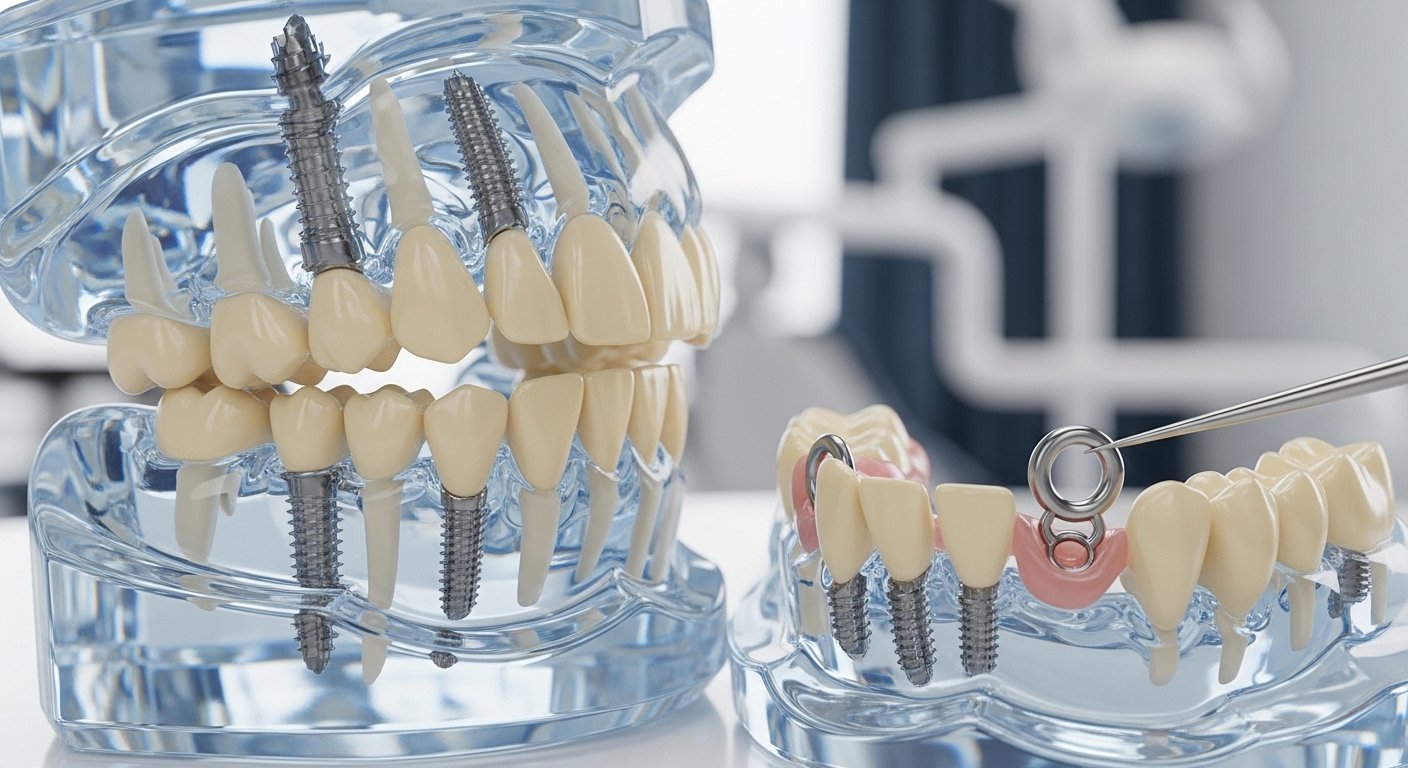
Mini dental implants are small titanium posts that act like tooth roots. The post holds a crown, bridge, or denture in place. The design is simple. The post is narrow and often shaped like a screw. The top has a small ball or connector that clips into your new tooth or denture.
Standard implants often need more bone and more steps. Mini implants use less bone and often fewer visits. That can help you when you lose bone over time or have had teeth removed years ago.
Who Might Benefit From Mini Dental Implants
Mini dental implants can help many people who feel stuck with loose teeth or loose dentures. You might be a match if you have one of these needs.
- Missing one or two teeth in narrow spaces
- Thin jawbone that cannot support standard implants
- Full dentures that move or fall out
- Gag reflex that makes denture wear hard
- Medical limits that make long surgery unsafe
- Need for a lower cost option
Older adults often do well with mini implants. So do younger adults who lost teeth from injury. Children and teens need special care as their jaws grow. You should talk with your dentist or a specialist before making any implant choice.
How Mini Dental Implants Compare To Standard Implants
The table shows simple differences between mini and standard implants. Each person is different. This chart gives a basic guide and not a promise.
| Feature | Mini Dental Implants | Standard Dental Implants
|
|---|---|---|
| Post width | About 1.8 to 3.0 mm | About 3.5 to 6.0 mm |
| Bone needed | Less bone needed | More bone needed |
| Surgical time | Short procedure | Longer procedure |
| Healing period before use | Often same day or few days | Often several months |
| Use with loose dentures | Often used to snap dentures in place | Often used with bars or attachments |
| Need for bone graft | Less common | More common |
| Typical cost per implant | Lower | Higher |
What To Expect During The Mini Implant Procedure
The steps are clear and simple.
- Planning visit. Your dentist checks your teeth, gums, and jaw. You may have X-rays or 3D scans. You talk about your goals and your budget.
- Health review. You share medicines, health limits, and past surgeries. You also talk about smoking, vaping, or other habits. This helps lower risk.
- Placement day. The dentist numbs the gum. A small opening is made in the gum and bone. The mini post is placed and tightened. Often, the new tooth or denture is clipped on the same day.
- Early healing. You go home the same day. You may have mild swelling, soreness, or small bruises. Cold packs and simple pain pills often help.
- Follow up. You return to check the healing and bite. Your dentist adjusts your denture or crown if needed.
The American Dental Association MouthHealthy site gives patient-friendly facts on implant care and safety.
Benefits That Matter In Daily Life
Mini dental implants can change daily routines.
- You can eat more foods again. That can protect nutrition and strength.
- You can speak without fear of dentures slipping.
- You can smile in photos without hiding your mouth.
These changes affect more than your mouth. They touch work, family events, and close relationships. Strong teeth support clear speech. They also support jawbone and face shape. Missing teeth can lead to bone loss and a sunken look over time. Implants give the bone steady pressure when you chew. That can slow bone loss.
Risks And Limits You Should Know
Every procedure has risk. Mini implants are no different. You should hear the hard truths.
- The implant can loosen or fail.
- The bone can stay too weak to hold the post.
- The gum can become infected if cleaning is poor.
- Smoking raises the chance of failure.
- Grinding your teeth can damage the implant or crown.
Some people are not good matches. That includes some with uncontrolled diabetes, immune problems, or strong bone loss. It also includes some who cannot keep up with daily brushing, flossing, and dental visits. Honest talk with your dentist helps you avoid regret.
How To Care For Mini Dental Implants
Good care protects your investment.
- Brush twice a day with a soft brush and fluoride paste.
- Clean between teeth and around implants every day.
- Use any special brushes or floss your dentist suggests.
- Limit sugary drinks and snacks.
- Stop smoking or vaping if you can.
- Keep regular cleanings and checkups.
If you feel pain, looseness, or see bleeding that does not stop, call your dentist. Early care can save the implant.
Questions To Ask Before You Decide
Before you say yes, you can ask clear questions.
- Why do you suggest mini implants for me instead of standard ones
- How many mini implants have you placed
- What are my other choices
- What results can I expect in one year and in five years
- What will I feel during and after the procedure
- What will it cost, and what does insurance cover
Strong choices come from straight facts, not fear. You deserve a plan that respects your health, comfort, and money. Mini dental implants can offer that plan when standard options do not fit.