

When it comes to our health, some parts of the body are often overlooked. One such area is nestled at the back of our throats—our adenoids. These small masses of lymphatic tissue play a critical role in our immune system, especially during childhood. However, they can also become problematic, leading to discomfort and other health issues. Understanding what adenoidid entails is essential for parents and anyone curious about respiratory health. Let’s dive into the causes, symptoms, and treatment options associated with this common condition so you can stay informed and proactive about your well-being.
What are Adenoids?
Adenoids are small, gland-like tissues located at the back of the nasal cavity. They are part of the body’s immune system and help trap pathogens that enter through the nose. This role is particularly important in young children, as their immune systems are still developing.
Unlike tonsils, which can be seen when you look into someone’s mouth, adenoids are not visible without specialized equipment. Typically, they shrink in size after puberty and may even become irrelevant for adults.
In many cases, healthy adenoids play a crucial role in fighting off infections during childhood. However, when they become enlarged or infected—a condition known as adenoiditis—they can lead to various health challenges affecting breathing and overall comfort.
Causes of Adenoiditis
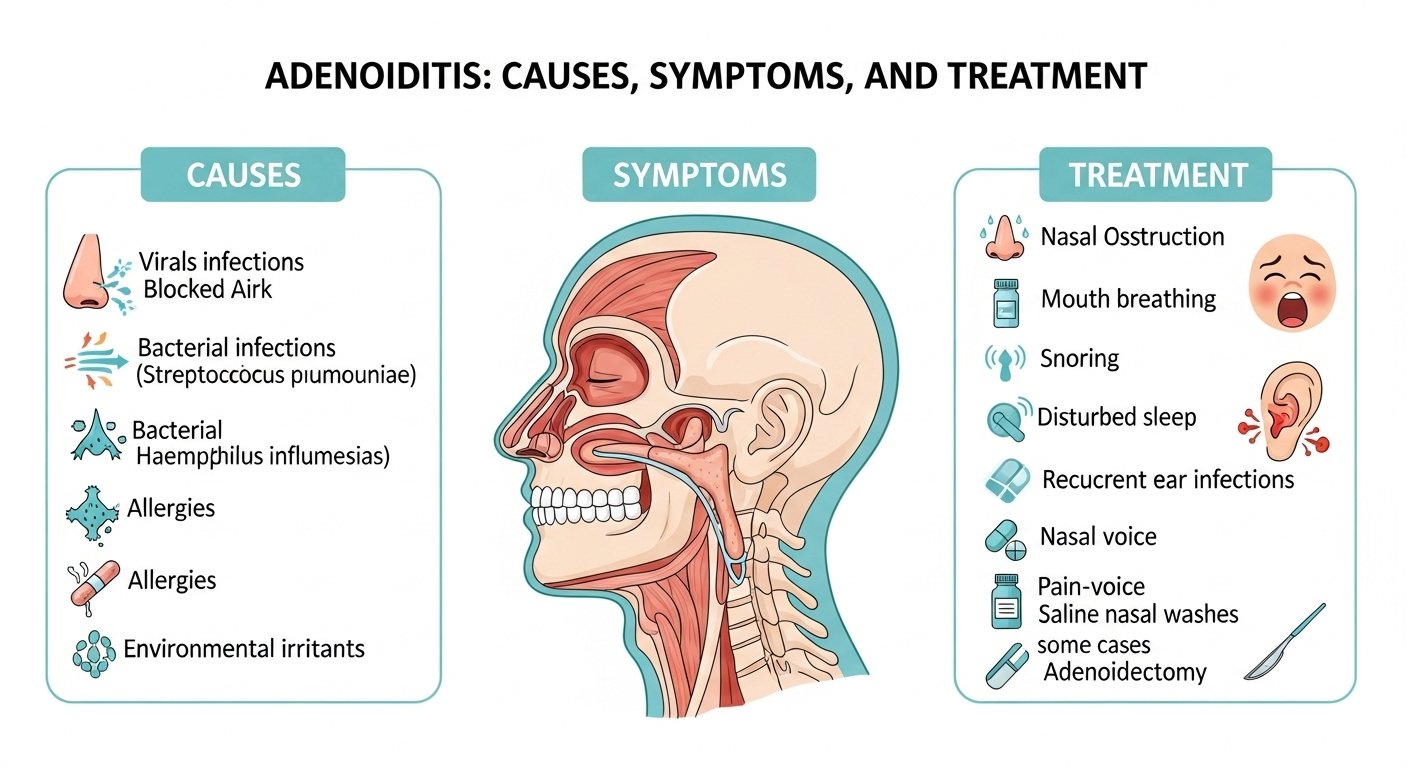
Adenoiditis is primarily caused by infections, often viral or bacterial in nature. When the body fights off these invaders, the adenoids can become inflamed and swollen.
The most common culprits include colds and other upper respiratory infections. Young children are particularly susceptible due to their developing immune systems.
Allergies also play a significant role. Allergic reactions can lead to chronic inflammation of the adenoids, making them more prone to infection over time.
Environmental factors contribute as well. Exposure to pollutants or irritants can aggravate the condition, causing further complications for those with pre-existing sensitivities.
Family history may also be a factor. If parents had frequent bouts of adenoiditis during childhood, their children might be at increased risk too.
Symptoms of Adenoiditis
Adenoiditis often manifests through a range of noticeable symptoms. One common sign is persistent nasal congestion. This can lead to difficulty breathing, especially at night.
Children frequently experience chronic coughs that don’t seem to go away easily. The sound of snoring may also become prominent, as swollen adenoids obstruct airflow during sleep.
Another symptom is a sore throat, which can be mistaken for other illnesses. Kids might also complain about ear pain due to pressure changes or infections triggered by inflammation in this area.
In some cases, you might notice bad breath linked to the buildup of bacteria caused by blocked nasal passages. Fatigue may arise too, as disturbed sleep patterns affect overall energy levels throughout the day.
Being aware of these signs helps parents seek timely medical advice when necessary. Early intervention can make a significant difference in managing adenoiditis effectively.
Diagnosis and Treatment Options
Diagnosis of adenoiditis typically begins with a thorough examination by a healthcare provider. They often use physical exams to assess symptoms like nasal congestion and mouth breathing. In some cases, imaging tests such as X-rays may be necessary to evaluate the size of the adenoids.
Treatment options vary based on severity. Mild cases might only require monitoring and home care, including saline nasal sprays or steam inhalation for relief.
For more persistent issues, antibiotics are prescribed if there’s an underlying bacterial infection. In chronic situations where medication fails, surgical removal, known as adenoidectomy, becomes a consideration.
Post-surgery recovery is generally swift; many children experience significant improvement in their breathing and sleep patterns shortly after the procedure. Long-term follow-up can help ensure that any related complications are addressed promptly.
Prevention Tips for Adenoiditis
Maintaining good hygiene can significantly reduce the risk of adenoiditis. Encourage frequent handwashing, especially before meals and after being in public places.
Keep your living environment clean. Regularly dust and vacuum to minimize allergens that can irritate the throat or nasal area.
Consider avoiding exposure to secondhand smoke. Smoke can inflame airways, increasing susceptibility to infections affecting the adenoids.
Stay hydrated. Drinking plenty of water helps maintain moisture in the throat and nasal passages, making them less prone to irritation.
Additionally, promote a healthy diet rich in fruits and vegetables. This boosts the immune system, providing better protection against infections.
Ensure children receive their vaccinations on schedule. Vaccines help protect against common illnesses that could lead to complications with adenoid health.
When to See a Doctor
If you notice persistent symptoms of adenoiditis, it may be time to consult a healthcare professional. Common indicators include ongoing nasal congestion, difficulty breathing through the nose, or frequent ear infections.
Watch for changes in sleep patterns as well. Snoring or restless nights can signal that your child might need medical attention.
Additionally, if there’s an unexplained fever or swollen glands in the neck area, don’t hesitate to seek help. These signs could suggest a more serious infection requiring treatment.
If at-home remedies aren’t providing relief after several days, it’s wise to reach out for expert advice. Your health and comfort matter most when dealing with adenoids and related issues.
Conclusion
Adenoidid are a common concern, especially in children. They play a key role in the immune system but can become problematic when they enlarge or become infected. Understanding the causes and symptoms of adenoiditis is crucial for early diagnosis and effective treatment.
Regular check-ups with healthcare providers can help catch any issues before they escalate. If your child experiences persistent nasal congestion, difficulty breathing, or frequent ear infections, it may be time to seek professional advice.
Living a healthy lifestyle can also minimize risks associated with adenoid problems. Ensuring proper hygiene and addressing allergies might prevent future complications.
Being informed about adenoidid empowers parents to take proactive measures for their children’s health. Awareness leads to better outcomes and peace of mind for families dealing with this condition.