

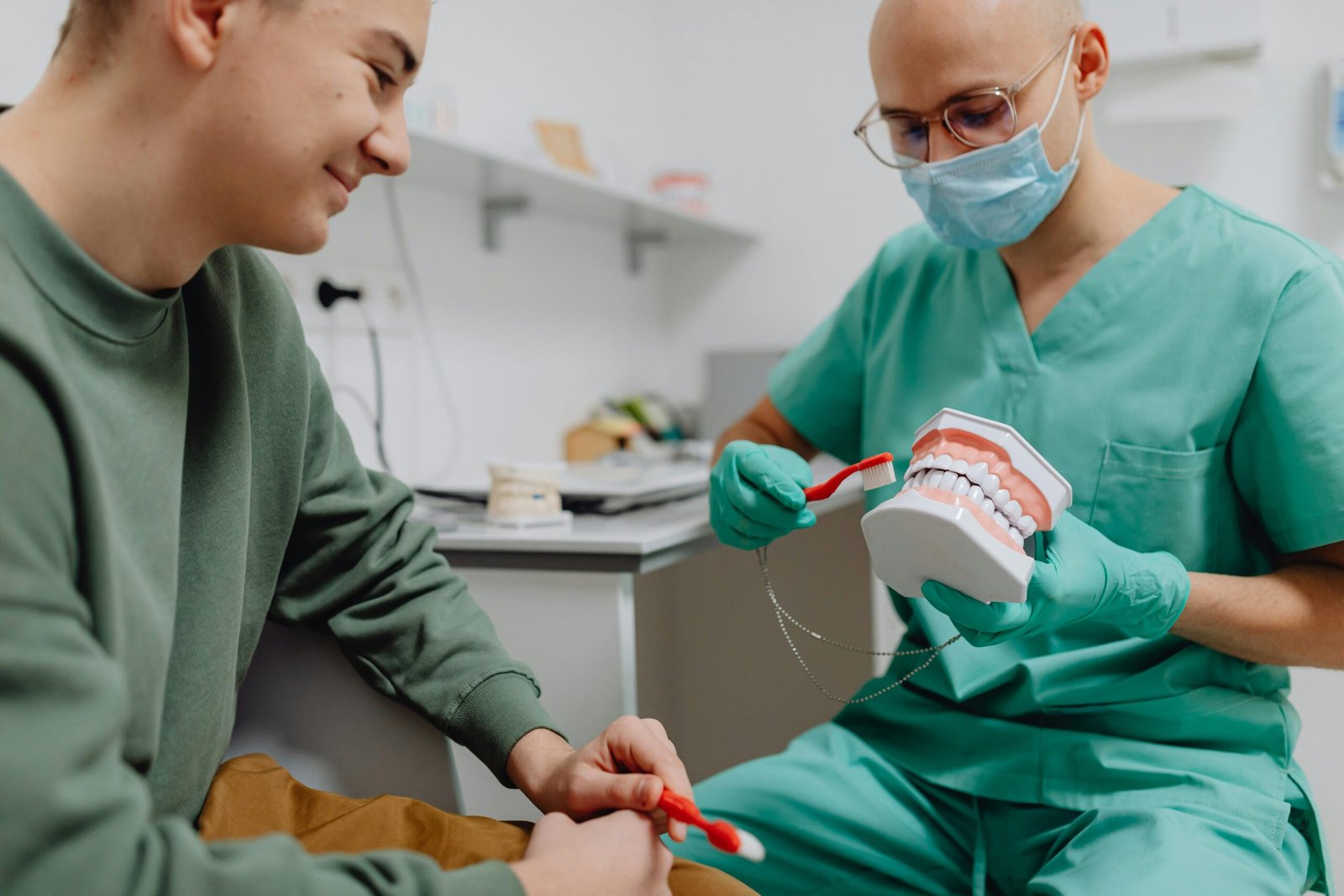
Dental care rarely gets ignored on purpose. It just keeps getting pushed down the list. School runs, deadlines, errands, everything else feels more urgent. Then one day there’s pain, and suddenly it jumps to the top. That cycle is familiar in most households. What’s different in families that don’t deal with frequent dental issues isn’t awareness; it’s consistency. They don’t wait for a reason. They just keep a few basic things in place and stick to them.
Here are six areas of preventive care that tend to make the biggest difference over time.
1. Routine Dental Check-Ups
A check-up isn’t just about spotting cavities. It’s where things that haven’t started hurting yet get picked up. Gums that are slightly inflamed, enamel that’s beginning to wear down, small changes in bite, these are easy to miss at home. Left alone, they build into something bigger.
Children who go regularly usually stop fearing the dentist altogether; it becomes normal. For adults, it’s more practical than anything else: fewer unexpected problems, fewer last-minute visits.

2. Professional Scaling and Polishing
Even with good brushing habits, certain areas get missed. Over time, plaque settles in and hardens into tartar, especially around the gumline. Once that happens, no amount of brushing will remove it.
Scaling clears that buildup. Polishing smooths things out so it doesn’t collect as easily again. It’s not that much, but skipping it repeatedly tends to show up later, usually as bleeding gums or stains that don’t go away.
3. Getting the Basics Right
A lot of people brush twice a day and still have issues. That usually comes down to how it’s being done. Small corrections matter more than most expect:
- Brushing too hard instead of effectively
- Skipping floss because it feels unnecessary
- Using products that don’t match actual needs
A short conversation with a professional often clears this up quickly. For kids, it builds habits early. For adults, it’s usually about fixing things that have been done on autopilot for years.
4. Fluoride and Sealant Treatments
Sealants which is a thin protective coating and fluoride treatment receive less attention but they are very beneficial. Fluoride fortifies teeth’s outermost layer. Particularly in rear teeth, sealants shield the crevices where food often gets stuck. They are quick, painless, and quietly lower the risk of cavities developing. Compared to fillings or more involved treatments, this is low effort with a clear payoff.
5. Food, Drinks, and Everyday Patterns
What’s eaten throughout the day matters just as much as brushing. It’s not only about sugar, but it’s about frequency. Constant snacking or sipping sugary drinks keeps teeth under steady exposure, giving bacteria more time to do damage. A few realistic shifts help:
- Giving teeth a break between meals instead of constant grazing
- Drinking water after something sweet or acidic
- Including foods that naturally support oral health
6. Catching Things Early
Most dental problems don’t appear suddenly. They build quietly. That’s why regular monitoring matters. Something minor today can stay minor, or it can turn into something that needs more time, money, and effort to fix.
The World Health Organization consistently points to early intervention as one of the simplest ways to reduce long-term oral health issues. The logic is straightforward: deal with it early, or deal with it later at a higher cost.
Accessing Care That Fits Real Life
Plans fall apart when they’re inconvenient. That’s just reality. If booking or attending appointments feels like a chore, it gets delayed again and again. Families that stay consistent usually remove that friction. They pick a place that’s easy to reach, easy to book, and easy to return to.
For example, having access to a reliable dental hygienist Kensington makes it simpler to stay on track with regular cleaning and practical advice that fits into a busy schedule.
Making It Work Without Overthinking It
When appointments are grouped together, or when everyone follows the same basic routine at home, it becomes automatic. Less thinking, less postponing. Children follow what they see. Adults benefit from having one less thing to keep reconsidering.
Preventive dental care isn’t difficult. It’s just easy to delay. The difference shows up over time, either in steady, low-effort maintenance or in sudden problems that could have been avoided.