

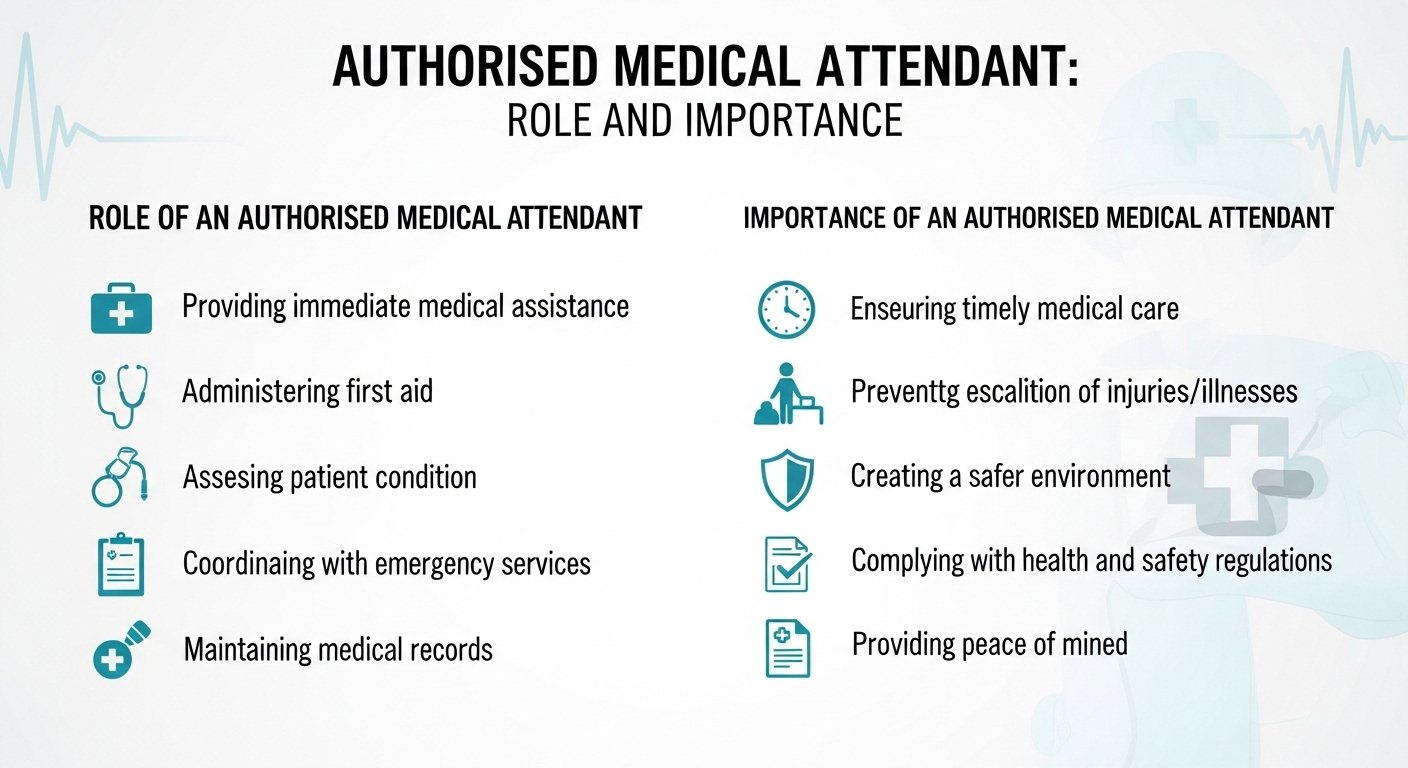
Navigating the world of healthcare can be daunting, especially when it comes to understanding roles that directly impact patient care. One such crucial role is that of an Authorised Medical Attendant (AMA). These professionals often fly under the radar, yet they play a significant part in ensuring employees receive the medical attention and support they need during times of illness or injury. With their specialized knowledge and responsibilities, AMAs bridge the gap between patients and healthcare providers. But what exactly does it mean to be an AMA? Let’s dive into its history, importance, and how these individuals contribute to a healthier workplace for everyone involved.
History and Evolution of AMA
The concept of the Authorised Medical Attendant (AMA) has roots that trace back to early medical systems where the need for structured healthcare support became evident. Historically, as industries grew, so did the demand for occupational health services.
In many regions, AMAs emerged as a bridge between workers and healthcare providers. Their role evolved alongside labor laws and regulations aimed at protecting employees’ rights. During pivotal moments in labor history, such as industrial revolutions, the importance of accessible medical care surged.
Over time, governments recognized the necessity of having designated professionals who could assess workplace injuries and illnesses effectively. This led to formal training programs and clearer guidelines defining an AMA’s responsibilities. As workplaces modernized, AMAs adapted by incorporating new medical practices and technologies into their approach to employee care.
Responsibilities and Duties of AMA
The Authorised Medical Attendant (AMA) plays a crucial role in the healthcare landscape. Their primary responsibility is to provide medical care and treatment for employees injured at work or suffering from occupational diseases.
AMAs assess patients’ conditions, determine the severity of injuries, and recommend appropriate treatments. They also keep detailed records that help track an employee’s recovery journey.
Moreover, they act as advisors on health-related issues within the workplace. This includes conducting health assessments and providing guidance on preventive measures.
Communication skills are essential for AMAs, as they need to liaise with various stakeholders—employees, employers, insurance providers—and sometimes legal entities. Their involvement ensures that all parties understand the medical aspects related to workplace incidents.
Additionally, AMAs play a role in facilitating rehabilitation programs aimed at returning employees safely back to work after illness or injury.
The Importance of AMA in Healthcare System
The Authorised Medical Attendant (AMA) plays a crucial role within the healthcare system. They serve as a bridge between patients and insurers, ensuring that medical claims are processed efficiently. This function is vital for patient care continuity.
AMAs provide essential evaluations and certifications necessary for claims related to workplace injuries or illnesses. Their expertise helps streamline administrative processes, reducing delays in treatment and compensation.
Moreover, AMAs contribute to better health outcomes by promoting early diagnosis and intervention. Their assessments can lead to tailored treatment plans that enhance recovery rates.
By validating medical conditions and treatments, AMAs ensure transparency in healthcare practices. This builds trust among employees towards their employers’ commitment to well-being.
In addition, they help maintain compliance with regulations governing occupational health standards, safeguarding both employees’ rights and employer responsibilities within the workplace environment.
Benefits for Employees and Employers
The role of an Authorised Medical Attendant (AMA) brings significant advantages to both employees and employers. For workers, having access to a qualified AMA ensures prompt medical attention when needed. This support can lead to quicker recovery times and reduced absenteeism.
Employers benefit from a healthier workforce as AMAs help in monitoring employee health. They provide essential insights into workplace safety and wellness programs, which can enhance overall productivity.
Additionally, the presence of an AMA fosters trust within the organization. Employees feel valued knowing that their health is prioritized. When staff members are satisfied with their healthcare access, morale tends to increase.
Furthermore, involving AMAs in regular check-ups minimizes long-term medical costs for companies. Preventive care reduces unexpected expenses associated with severe health issues down the line. This proactive stance creates a win-win situation for everyone involved.
Challenges Faced by AMAs
Authorised Medical Attendants (AMAs) encounter several challenges in their daily operations. One significant hurdle is the evolving landscape of healthcare regulations. Staying updated on these changes demands constant learning and adaptation.
Additionally, AMAs often face time constraints. Balancing patient care with administrative duties can lead to overwhelming workloads. This pressure may compromise the quality of service provided to employees seeking assistance.
Another issue lies in communication barriers. Ensuring that employees understand their rights and available services is crucial yet challenging, especially when dealing with complex medical jargon.
Moreover, AMAs sometimes confront resistance from management or insurance companies regarding claims processing. Navigating these obstacles requires persistence and negotiation skills.
Emotional fatigue can weigh heavily on AMAs who witness patients’ struggles regularly. This aspect necessitates self-care strategies to maintain their well-being while providing vital support to others in need.
How to Become an Authorised Medical Attendant?
Becoming an Authorised Medical Attendant (AMA) involves a clear pathway of education and training. First, individuals need to obtain a medical degree from a recognized institution. This foundational step is crucial for understanding the complexities of patient care.
Next, aspiring AMAs must gain practical experience in clinical settings. Internships or residencies provide hands-on exposure to various medical scenarios. This experience sharpens their skills and builds confidence.
After gaining sufficient experience, candidates should apply for certification through relevant health authorities. Passing examinations is typically part of this process, ensuring that only qualified professionals are designated as AMAs.
Continuing education is also vital for maintaining an AMA designation. Regularly updating knowledge on medical practices enhances their effectiveness in supporting patients and employers alike.
Conclusion
The role of an Authorised Medical Attendant (AMA) is essential in today’s healthcare landscape. As the bridge between employees and medical professionals, AMAs ensure that workers receive proper care while also safeguarding employer interests. The evolution of this role shows its increasing importance over time, adapting to meet the needs of modern workplaces.
AMAs carry a variety of responsibilities—from conducting health assessments to managing workplace injuries. Their involvement not only enhances employee well-being but also contributes significantly to overall productivity within organizations. For both employers and employees, having access to qualified AMAs translates into better health outcomes and fewer work-related complications.
While there are challenges faced by AMAs, such as navigating complex regulations or ensuring prompt communication between parties involved, their impact cannot be overstated. Those interested in becoming an AMA will find clear paths through education and certification programs that equip them with necessary skills.
Understanding the value brought by Authorised Medical Attendants fosters appreciation for their vital contributions in creating healthier workplaces and communities. With ongoing development in healthcare practices, the relevance of AMAs is set to grow even further.