

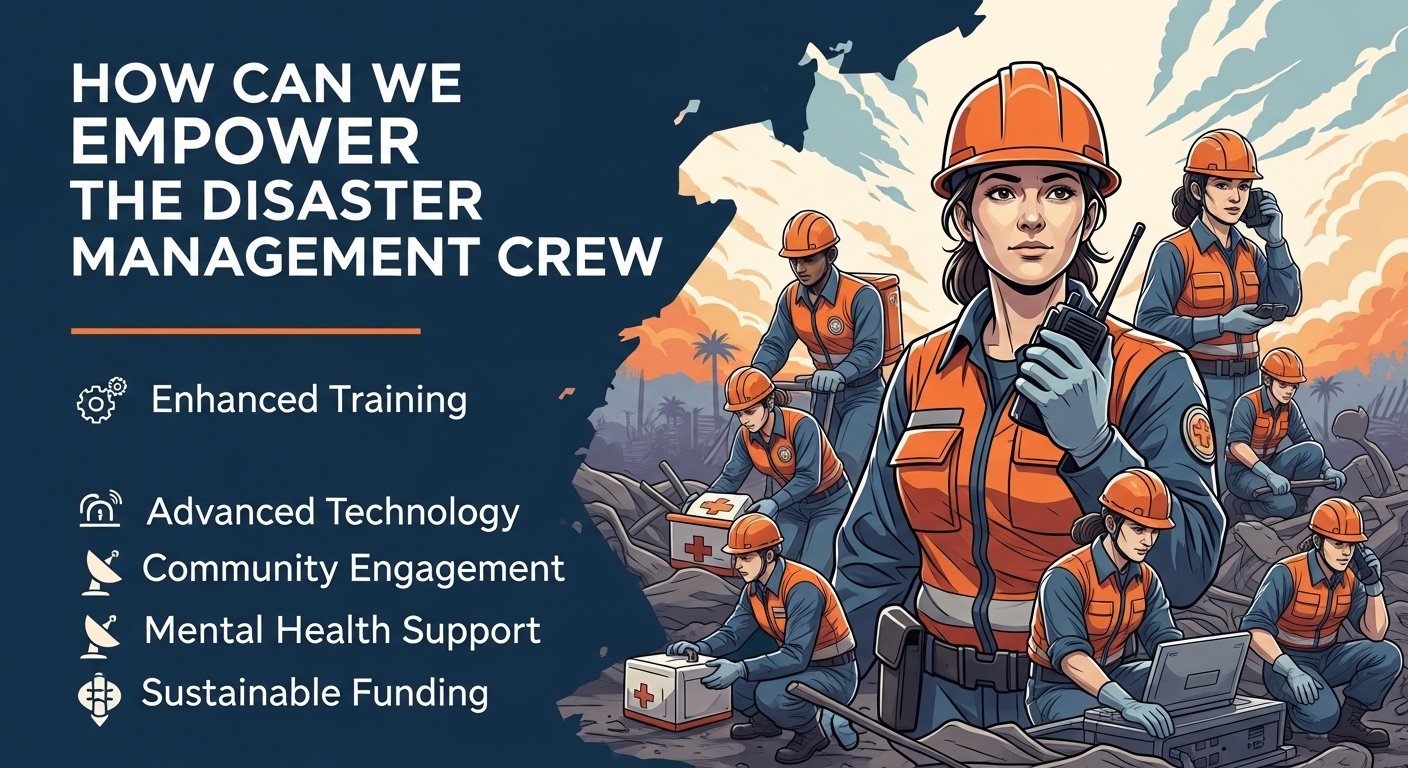
Disaster management crews are the unsung heroes of our communities. They spring into action when chaos strikes, often putting their lives on the line to help others. These brave individuals face an array of challenges, from natural disasters to humanitarian crises, and they do so with incredible dedication and resilience. But how can we make sure these teams are equipped for success? The answer lies in empowerment. By providing them with the right training, resources, and support, we can enhance their effectiveness and morale during tough times. Let’s explore some key strategies that will help empower disaster management crews and ultimately strengthen our response to any emergency situation.
The Challenges Faced by Disaster Management Crew
Disaster management crews face a myriad of challenges that test their limits. One significant hurdle is the unpredictability of disasters themselves. Each event can vary in scale and impact, making preparation complex.
Communication barriers also pose difficulties during crises. Coordinating among various agencies and community members can lead to confusion when time is critical.
Resource constraints are another pressing issue. Limited funding often restricts access to necessary equipment or training programs, impacting response effectiveness.
Moreover, the physical and emotional toll on crew members cannot be overlooked. Long hours under stressful conditions can lead to burnout and fatigue, affecting decision-making capabilities.
Navigating bureaucratic red tape further complicates their efforts. Permissions for action may lag while lives hang in the balance, adding pressure on already stretched teams.
Importance of Empowering the Disaster Management Crew
Empowering the disaster management crew is crucial for effective response and recovery. These individuals often face intense pressure during emergencies, and their ability to act decisively can save lives.
When crew members feel supported, they are more likely to perform at their best. Empowerment boosts morale and fosters a sense of ownership over their roles. This leads to quicker decision-making in critical situations.
Additionally, when crews are empowered, they develop stronger leadership skills. They become adept at coordinating with various agencies and community organizations. This collaboration enhances overall effectiveness during disasters.
Investing in empowerment also nurtures resilience within teams. When crew members know they have the backing of their organization and community, it strengthens their resolve even in the toughest circumstances.
This creates a culture where everyone thrives together while facing challenges head-on.
Training and Preparation for Disasters
Training and preparation are the backbone of effective disaster management. Without proper training, even the most well-intentioned crew can falter when faced with chaos.
Regular drills simulate real-life scenarios. These exercises allow teams to practice their response strategies in a controlled environment. Familiarity breeds confidence.
Incorporating technology into training can enhance readiness too. Virtual reality simulations offer immersive experiences that challenge crews to think on their feet. They learn to adapt quickly, which is crucial during actual disasters.
Moreover, ongoing education keeps everyone updated on best practices and evolving techniques. Workshops led by experts provide fresh insights and skills that benefit the entire team.
Encouraging cross-training within various roles fosters versatility among crew members. When individuals understand multiple responsibilities, they become more adaptable in times of crisis. This flexibility enhances overall effectiveness during emergencies.
Investing time in thorough training ensures preparedness at every level for whatever challenges lie ahead.
Providing Adequate Resources and Support
Providing adequate resources and support is crucial for empowering disaster management crews. These brave individuals often work under extreme pressure, facing unpredictable conditions. Equip them with the right tools, technology, and information to boost their efficiency.
Access to modern equipment can significantly enhance response times. Drones for aerial assessments or advanced communication devices keep teams connected during chaotic situations. Invest in training programs that familiarize crew members with these technologies.
Additionally, logistical support cannot be overlooked. Ensuring proper transportation and supplies are readily available allows crews to focus on what matters most—saving lives.
Financial backing also plays a role in sustaining these efforts long-term. A budget dedicated to continuous improvement enables ongoing training sessions and resource upgrades.
When disaster strikes, having sufficient backup ensures that the crew operates seamlessly without unnecessary obstacles or delays. Empowering them through consistent support builds resilience within the entire system.
Mental Health Support for the Disaster Management Crew
Disaster management crews face immense pressure during crises. The emotional toll can be heavy, often leading to burnout or PTSD. Recognizing this issue is crucial for the well-being of these dedicated individuals.
Implementing mental health support systems is essential. Regular counseling sessions and stress-relief workshops can provide invaluable outlets for emotions. These resources help teams process their experiences in a safe environment.
Peer support programs also play a significant role. Encouraging open discussions among team members fosters camaraderie and understanding. Sharing personal challenges helps to normalize feelings and reduce stigma around mental health topics.
Furthermore, incorporating mindfulness practices into daily routines can promote resilience and focus. Simple techniques like meditation or breathing exercises can enhance overall morale within the crew.
Prioritizing mental health not only benefits individual members but strengthens the team’s efficiency during disasters, ultimately improving response efforts when it matters most.
Encouraging Community Involvement and Collaboration
Community involvement is essential in disaster management. When people come together, they create a stronger safety net for vulnerable populations.
Engaging local volunteers can significantly enhance response efforts. Training them alongside professionals ensures everyone knows their roles during an emergency.
Collaboration between organizations and community groups fosters trust. This network facilitates faster communication and resource sharing when disasters strike.
Moreover, involving residents in preparedness planning empowers them. It instills confidence and encourages proactive measures within neighborhoods.
Hosting workshops can educate citizens on basic first aid or emergency protocols. Such initiatives not only build skills but also strengthen community ties.
By creating partnerships, we harness diverse perspectives and skills that enrich the overall response strategy. Community-led efforts often lead to innovative solutions tailored to specific local needs.
Conclusion
Empowering the disaster management crew is vital for effective response and recovery. These dedicated professionals face numerous challenges daily, from unpredictable natural disasters to limited resources. By focusing on their training and preparation, we can create a more resilient workforce ready to tackle emergencies head-on.
Providing adequate resources ensures that these teams have what they need when it matters most. This includes access to modern equipment, technology, and logistical support. Recognizing that mental health plays a crucial role in their effectiveness is equally important; offering psychological support helps them cope with the stress of their demanding roles.
Community involvement fosters collaboration between disaster management crews and local residents. Encouraging volunteers not only lightens the load during crises but also strengthens community bonds.
A comprehensive approach empowers our disaster management personnel while improving overall preparedness for any situation they may encounter. Investing in these areas builds confidence within the team and ultimately enhances public safety during times of crisis.