

Participating in sports supports physical fitness, confidence, and social engagement, but it also increases the likelihood of certain injuries. Active individuals often encounter strains, overuse concerns, or impact-related injuries that require proper care to ensure full recovery.
While some injuries resolve with rest and home management, others benefit from structured interventions to help restore strength, mobility, and stability. Understanding the most common injuries and the treatment strategies associated with them allows athletes and fitness enthusiasts to stay informed and proactive about their health. It’s also important during physical therapy programs, when aspiring PTs grow their skills to provide treatment to individuals who need it.
Injuries vary in severity, but early recognition and appropriate treatment can reduce recovery time and prevent long-term complications. Each type of injury affects the body differently, so personalized care is very important.
By understanding how these injuries develop and heal, individuals can return to activity safely and confidently. The following four injuries represent some of the most frequent concerns in sports and physical activity settings.
1. Sprains and Strains
Sprains and strains are among the most common injuries in sports. A sprain involves the overstretching or tearing of ligaments, which connect bones to one another, while a strain affects muscles or tendons.
These injuries frequently occur in the ankle, wrist, or hamstring during sudden movements, changes in direction, or inadequate warm-up routines. Symptoms often include swelling, bruising, and varying levels of discomfort that may limit mobility.
Initial treatment typically involves rest, ice, compression, and elevation to help reduce swelling and promote healing. Avoiding weight-bearing activities when discomfort is present prevents further tissue damage. Gradually reintroducing movement helps maintain mobility, but activities should progress slowly to avoid reinjury. Attention to early signs guarantees that the injury does not worsen.
Strengthening and mobility exercises support long-term recovery once swelling decreases. Many individuals benefit from guided rehabilitation that focuses on restoring the full range of motion and reinforcing stability. Exercises that target the affected area help prevent recurrence and promote a safer return to activity.
2. Tendonitis
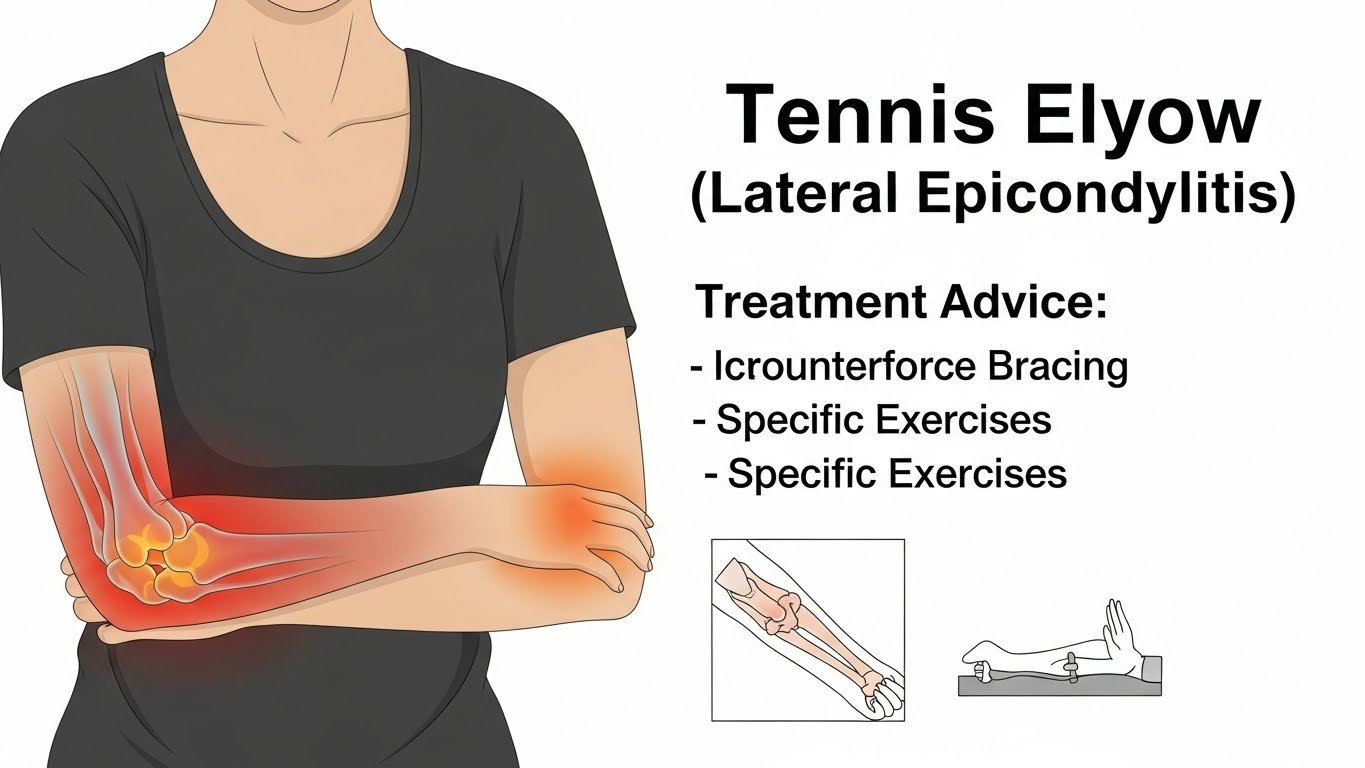
Tendonitis occurs when a tendon becomes irritated or inflamed due to repetitive stress or overuse. Common areas include the elbow, knee, shoulder, and Achilles tendon. Athletes who engage in repetitive motions, such as running, swimming, or swinging equipment, often experience this condition. Initial symptoms typically include localized discomfort, stiffness, and decreased tolerance for movement.
Treatment focuses on reducing irritation and giving the tendon time to recover. Resting the affected area and modifying activities can help relieve strain. Ice may reduce swelling, and anti-inflammatory strategies can provide additional support. Proper warm-up techniques and gradual training progression reduce stress on the tendon during recovery.
Rehabilitation exercises play a large role in building strength and enhancing tendon resilience. Eccentric strengthening, where muscles lengthen under tension, is often beneficial for tendon health. Correcting form or biomechanical patterns may also help prevent future flare-ups. Consistent rehabilitation supports long-term mobility and performance.
3. Stress Fractures
Stress fractures are small cracks in the bone caused by repetitive impact or excessive loading. They are especially common in sports that involve running or jumping, where bones absorb repeated force. Stress fractures often develop gradually, with athletes noticing pain during weight-bearing activities that improves with rest. Without intervention, symptoms may worsen and restrict mobility.
Treatment requires reducing or eliminating high-impact activities to allow the bone to heal. In some cases, temporary immobilization or supportive footwear may be recommended. Addressing training habits, such as sudden increases in intensity or inadequate recovery time, helps prevent additional stress on the bone. Adequate intake of calcium and vitamin D also supports bone repair.
Once healing progresses, athletes typically follow a structured plan to regain strength and return to activity safely. This may include low-impact exercises, the gradual reintroduction of running or jumping, and a focus on proper technique. Monitoring symptoms during this phase is crucial to prevent setbacks and ensure a complete recovery.
4. Knee Injuries
Knee injuries are common in many sports, particularly those that involve pivoting, jumping, or direct impact. Issues can range from mild ligament irritation to more complex injuries affecting the meniscus or major ligaments. Early symptoms may include swelling, stiffness, or instability during movement. Recognizing these signs early helps prevent worsening damage.
Initial care often involves rest and reduction of high-impact activities. Icing the area and using supportive braces can help manage swelling and improve comfort. Healthcare providers may recommend imaging to clarify the extent of the injury. Understanding the specific cause ensures that treatment aligns with the type of injury.
Rehabilitation focuses on strengthening surrounding muscles, improving balance, and restoring proper mechanics. Building hip and core strength also supports knee stability. Returning to sport requires meeting specific benchmarks for strength and mobility to ensure safe participation. Thoughtful recovery reduces the likelihood of recurrence.
Recovery That Supports Stronger Movement
Sports injuries are a natural part of an active lifestyle, but they do not have to disrupt long-term participation. By understanding how injuries occur and how to treat them effectively, individuals can return to activity with greater confidence.