

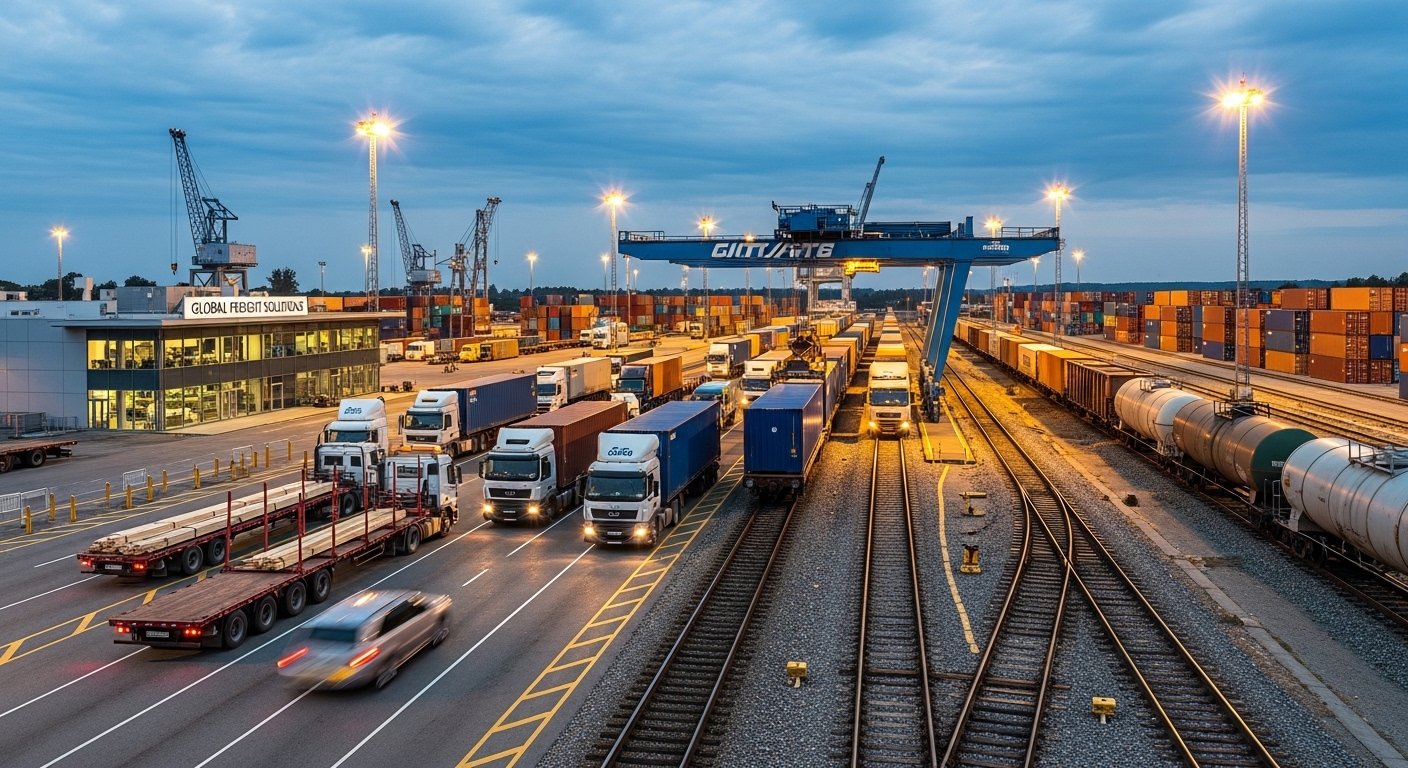
The world of logistics is evolving rapidly, and at its forefront are private freight terminals. These specialized hubs are revolutionizing how goods move between railways and roads, enhancing efficiency in an increasingly competitive market. As businesses seek to optimize their supply chains, the role of these terminals has never been more critical.
Private freight terminals offer a unique solution tailored to the needs of various industries. They streamline operations while providing flexibility that public options often lack. This article will delve into their advantages, explore real-world successes, and discuss the economic impact on local communities. Whether you’re a logistics professional or simply curious about cargo transport innovations, there’s much to discover about private freight terminals and their significant contributions to modern transportation networks.
Advantages of Private Freight Terminals over Public Ones
Private Freight Terminals offer distinct advantages that can significantly enhance cargo operations. They provide tailored services designed to meet the specific needs of businesses, ensuring a more efficient workflow.
One key benefit is flexibility. Private terminals often operate on customized schedules, allowing companies to optimize loading and unloading times without being constrained by public terminal hours.
Additionally, these facilities typically feature advanced technology and infrastructure. This includes better tracking systems and modern equipment, which streamline processes and minimize delays.
Security is another strong point. Private freight terminals invest in enhanced security measures to protect valuable cargo from theft or damage.
Moreover, they foster closer relationships with clients. Dedicated staff at private terminals can address concerns swiftly, creating a smoother experience for shippers and receivers alike.
Streamlining Rail and Road Cargo with Private Freight Terminals
Private freight terminals are game changers in the logistics industry. They play a crucial role in enhancing efficiency for rail and road cargo transport.
By integrating both modes of transportation, these terminals eliminate unnecessary delays. Cargo can seamlessly transition from trains to trucks without lengthy transfers or bottlenecks. This streamlined process ensures that goods reach their destinations faster.
Additionally, private terminals often have advanced technology systems. These systems facilitate real-time tracking and communication among stakeholders, reducing miscommunication risks.
Dedicated facilities mean tailored solutions for specific industries too. From temperature-controlled storage to specialized loading docks, each terminal can adapt to unique cargo needs.
The result is a more cohesive supply chain experience where businesses thrive through reliable delivery options and optimized routes.
Case Studies: Successful Implementation of Private Freight Terminals
One notable case study is the private freight terminal established by a major logistics company in Texas. This facility reduced cargo processing times significantly compared to public terminals. It incorporated advanced technology, such as automated cranes and real-time tracking systems, enhancing efficiency.
Another success story comes from Illinois, where a consortium of local businesses collaborated to build a dedicated rail terminal. They streamlined intermodal operations between rail and truck transport, reducing costs for shippers while improving delivery times.
In California, an innovative private terminal focused on sustainability features solar panels and rainwater harvesting systems. This approach not only lowers operational costs but also attracts eco-conscious clients seeking greener logistics solutions.
Each example demonstrates how tailored infrastructure can boost productivity while meeting specific regional needs. The adaptability of private freight terminals continues to pave the way for future growth in the industry.
Challenges and Solutions for Private Freight Terminals
Private freight terminals face several challenges that can hinder their operational efficiency. One major issue is the high initial investment required for infrastructure development. Securing funding becomes crucial for successful implementation.
Regulatory hurdles also pose a significant challenge. Navigating permits and compliance with safety standards can be time-consuming and complex. Establishing clear communication channels with local authorities helps ease this process.
Another concern is the competition from public freight facilities, which often offer lower costs due to government subsidies. Private operators need to emphasize their unique value propositions, such as customized services or faster turnaround times.
Workforce training remains essential for maintaining high service levels. Investing in staff development ensures workers are equipped with the necessary skills to operate advanced technologies effectively while enhancing overall productivity within private freight terminals.
Economic Impact of Private Freight Terminals on Local Communities
Private freight terminals serve as catalysts for economic growth in local communities. They create job opportunities, ranging from construction to logistics management.
As these facilities develop, they attract businesses that rely on efficient transportation networks. This influx of companies stimulates the local economy and increases tax revenues.
Moreover, private freight terminals enhance supply chain efficiency. Reduced transit times benefit both small and large enterprises, allowing them to operate more competitively.
Additionally, improved infrastructure often leads to better road conditions and accessibility for residents. This can elevate property values and improve quality of life in surrounding areas.
Local suppliers also gain advantages through strengthened partnerships with terminal operators. A thriving network supports not just direct employment but fosters community engagement initiatives as well.
The ripple effect of a private freight terminal touches various facets of daily life, altering the landscape for future developments within the region.
Future Outlook and Potential Expansion of Private Freight Terminal Industry
The future of the private freight terminal industry looks promising. With growing demand for efficient logistics solutions, these terminals are set to play a critical role in optimizing supply chains.
Technological advancements like automation and AI will enhance operations. Real-time tracking systems will provide better visibility, allowing companies to respond swiftly to market changes.
Additionally, sustainability is becoming increasingly important. Private terminals can adopt eco-friendly practices, reducing their carbon footprint while meeting compliance regulations.
Investment in infrastructure is essential as well. Expanding rail networks and improving road connectivity will facilitate smoother transitions between different modes of transport.
Collaboration among businesses may lead to shared facilities that maximize space usage and resources. This shift could foster innovation within the sector, driving new business models and partnerships forward.
As urban areas expand, the need for strategically placed terminals near major trade routes becomes more crucial than ever before.
Conclusion
Private freight terminals are transforming the logistics landscape. They offer a solution that effectively addresses the unique needs of businesses and industries reliant on efficient cargo movement. The advantages over public terminals—such as reduced congestion, dedicated resources, and customized services—are compelling reasons for companies to invest in private facilities.
Streamlining rail and road cargo operations is vital in today’s fast-paced market. Private freight terminals create synergy between various transport modes, enabling faster turnaround times and enhanced reliability for supply chains. Case studies demonstrate successful implementations that not only meet but exceed operational expectations.
While challenges exist, such as regulatory hurdles and initial capital investment concerns, innovative solutions continue to emerge. As stakeholders recognize the economic benefits associated with these terminals, support will likely increase within local communities.
Looking ahead, the potential expansion of private freight terminal operations appears promising. With advancements in technology and growing demand for integrated logistics solutions, this sector is poised for growth.
The impact of private freight terminals extends beyond mere transportation efficiency; it shapes communities economically while redefining how goods move across regions. As companies embrace this model more widely, we can expect an exciting evolution in logistics that enhances competitiveness on multiple fronts.