

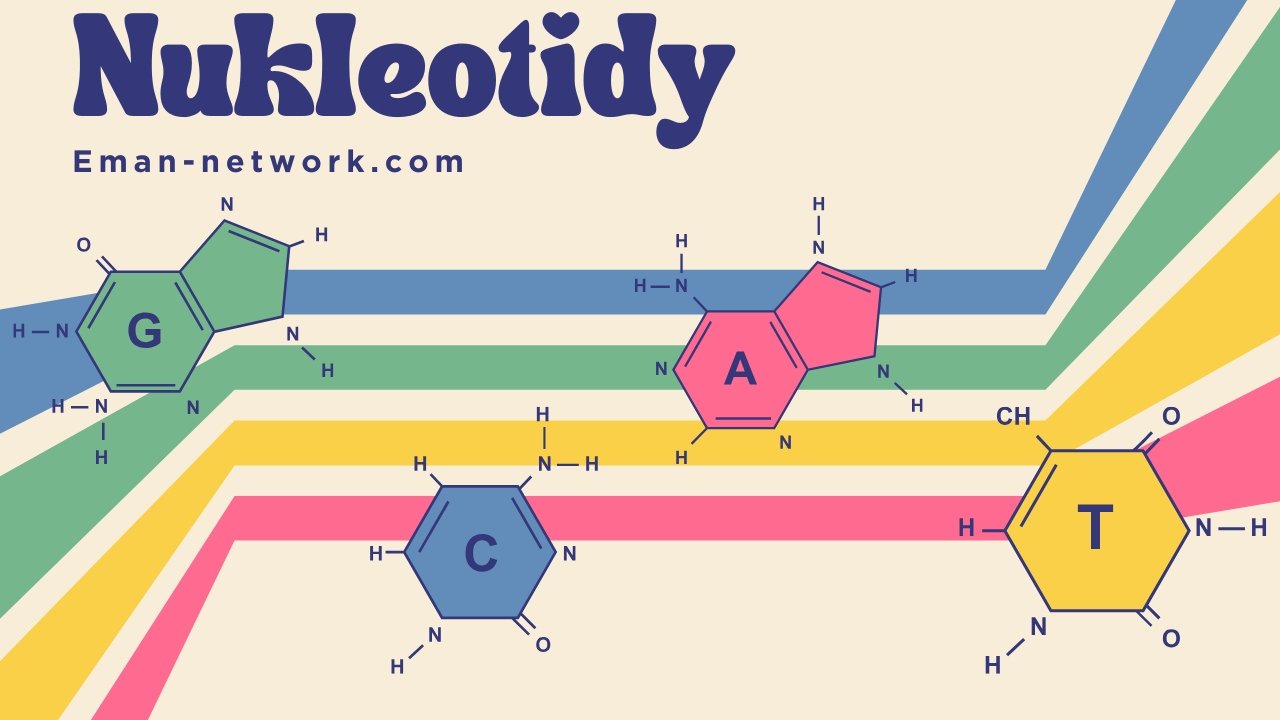
Nukleotidy are the unsung heroes of our genetic makeup. These tiny molecules play a pivotal role in forming the building blocks of DNA and RNA, which are essential for life as we know it. But what exactly are these nucleotides? How do they function within our cells? Understanding their structure and significance unveils a fascinating world where chemistry meets biology.
In this exploration, we’ll delve into the intricate details of nucleotides—how they’re structured, their varying types, and why they’re indispensable to biological processes. From cellular communication to energy transfer, these molecules are at work behind the scenes. Join us on this journey to uncover how these fundamental elements influence everything from genetics to health issues stemming from imbalances in nucleotide levels. Prepare to see life through a molecular lens!
Structure of Nucleotides
Nucleotides are fascinating molecules. Each one consists of three main components: a nitrogenous base, a five-carbon sugar, and a phosphate group.
The nitrogenous base is where the magic happens. It can be adenine, thymine, cytosine, or guanine in DNA. In RNA, uracil takes the place of thymine. These bases pair specifically during DNA replication and RNA synthesis.
Next up is the sugar component—either deoxyribose for DNA or ribose for RNA. This subtle difference influences how each nucleic acid functions within cells.
We have the phosphate group that connects to the sugar backbone. This connection forms long chains essential for creating strands of DNA and RNA. The unique structure allows nucleotides to serve as both energy carriers and building blocks in biological systems.
Function of Nucleotides in DNA and RNA
Nukleotidy play a crucial role in the structure and function of DNA and RNA. They are essential for storing genetic information, which is fundamental to all living organisms.
In DNA, nucleotides form long chains that create the double helix structure. Each nucleotide contains a sugar, phosphate group, and nitrogenous base. The sequence of these bases encodes genetic instructions.
RNA relies on nucleotides as well but differs slightly in composition. It usually consists of single strands that help translate those genetic instructions into proteins through processes like transcription and translation.
Beyond their structural roles, nucleotides also participate in cellular energy transfer. ATP (adenosine triphosphate), a nucleotide derivative, powers various biological functions by providing energy when needed.
Thus, without nukleotidy, life as we know it would not exist; they serve both as carriers of information and energetic molecules within cells.
Types of Nucleotides
Nucleotides come in several types, each playing a unique role in cellular functions. The most common ones are adenosine triphosphate (ATP), guanosine triphosphate (GTP), cytidine triphosphate (CTP), and uridine triphosphate (UTP).
ATP is often referred to as the energy currency of the cell. It powers numerous biochemical reactions that keep living organisms functioning.
GTP, on the other hand, plays a crucial role in protein synthesis and signal transduction pathways. This nucleotide helps regulate various cellular processes efficiently.
CTP is essential for synthesizing RNA molecules during transcription. Its involvement ensures accurate genetic messaging within cells.
UTP serves as a precursor for RNA synthesis and acts similarly to ATP but specifically focuses on nucleic acid formation. Each type of nucleotide contributes significantly to maintaining life at a molecular level.
Importance of Nucleotides in Biological Processes
Nukleotidy play a pivotal role in various biological processes that sustain life. They are the fundamental units of DNA and RNA, crucial for genetic information storage and transfer.
Beyond their structural significance, nucleotides also function as energy carriers. Adenosine triphosphate (ATP), one of the most well-known nucleotides, powers cellular activities by providing energy for reactions essential to metabolism.
Additionally, nucleotidy serve as signaling molecules. Cyclic AMP (cAMP) acts as a secondary messenger in many hormonal pathways, influencing cell responses to external signals.
Their involvement extends to enzyme regulation and biosynthesis of coenzymes vital for metabolic functions. Without these versatile molecules, our cells would struggle to perform core functions necessary for growth and maintenance.
In essence, nucleotids are not just building blocks; they orchestrate complex biochemical networks that keep organisms functioning optimally.
Diseases and Disorders Related to Nucleotide Imbalances
Nucleotide imbalances can lead to a variety of diseases and disorders. When the delicate balance of these essential molecules is disrupted, cellular functions suffer.
One significant condition linked to nucleotide imbalance is adenine deaminase deficiency. This genetic disorder affects the immune system, making individuals more susceptible to infections.
Another example is certain types of cancer, where altered nucleotide metabolism can promote uncontrolled cell growth. Tumor cells often exhibit changes in their nucleotide synthesis pathways.
Metabolic syndromes may also arise from disruptions in nucleotides, affecting energy production and overall health. These conditions illustrate how crucial nucleotides are for maintaining normal physiological processes.
Moreover, neurological disorders such as Alzheimer’s disease have been associated with disturbances in nucleotide levels. Research continues to explore how restoring balance could offer therapeutic benefits for those affected by these conditions.
Understanding these connections highlights the significance of proper nucleotide function within our bodies.
Conclusion
Nukleotidy are essential to life as we know it. These remarkable molecules serve as the building blocks of DNA and RNA, playing a crucial role in genetic makeup and cellular functions. Understanding their structure reveals how they connect through phosphate groups, forming long chains that house our genetic information.
Their importance extends well beyond just genetics; nucleotides participate in vital biological processes like energy transfer, signaling pathways, and metabolic regulation. The different types of nucleotides each have unique roles, from ATP’s critical function in energy storage to cyclic AMP’s involvement in signaling mechanisms.
However, imbalances or deficiencies in nucleotides can contribute to various diseases and disorders. Conditions such as cancer or certain metabolic syndromes highlight the significance of maintaining healthy nucleotide levels for overall well-being.
The study of nukleotidy opens doors not only into molecular biology but also offers potential insights into new therapeutic approaches for managing health conditions linked to nucleotide imbalances. As research progresses, a deeper understanding of these fundamental components will undoubtedly enhance our knowledge of biology and medicine alike.