

Have you ever wondered how local governments plan for the future? The answer lies in a vital document called the County Integrated Development Plan (CIDP). This blueprint plays a crucial role in shaping communities, guiding investment decisions, and ensuring sustainable development. As populations grow and needs change, understanding what a CIDP entails becomes essential for citizens who want to be informed about their county’s progress.
In this blog post, we’ll dive deep into the intricacies of the County Integrated Development Plan. From its purpose and components to its challenges and success stories, there’s much to explore. So let’s embark on this journey together as we unravel what makes a CIDP an indispensable tool for community development.
Definition of County Integrated Development Plan (CIDP)
The County Integrated Development Plan (CIDP) is a strategic framework designed to guide the development agenda of counties. It serves as a roadmap for local governments, outlining policies and priorities that address community needs.
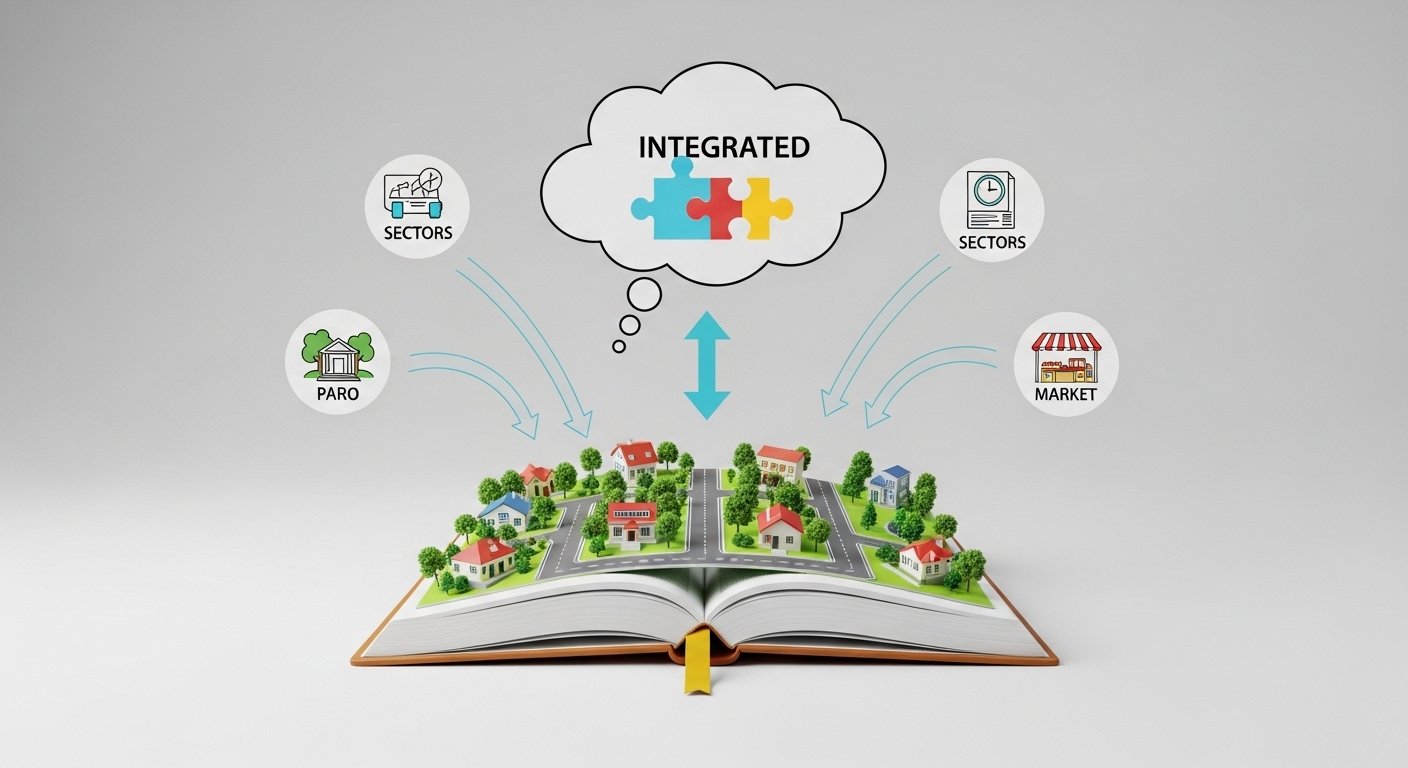
CIDPs are comprehensive documents that integrate various sectors such as education, health, infrastructure, and environment. They aim to promote sustainable growth while ensuring equitable resource allocation.
Each CIDP typically covers a period of five years, aligning with national and regional development goals. This synchronization helps in achieving broader objectives at different governance levels.
By involving citizens in the planning process, CIDPs foster transparency and accountability. Community feedback shapes priorities and ensures that the plans reflect the aspirations of residents.
These plans play a pivotal role in enhancing service delivery and improving living standards within counties.
The Purpose and Importance of the CIDP
The County Integrated Development Plan (CIDP) serves as a vital blueprint for local governance. It outlines the strategic direction and priorities for development within a county, ensuring that resources are allocated effectively.
One of its primary purposes is to foster community participation. By involving citizens in the planning process, the CIDP promotes transparency and accountability in decision-making.
Moreover, the CIDP aligns various sectors—such as health, education, and infrastructure—under a cohesive strategy. This integration helps eliminate redundancy and focuses efforts on shared goals.
Another important aspect is economic growth. The plan identifies key projects that can stimulate local economies, create jobs, and improve living standards.
Effective implementation of the CIDP encourages sustainable development while addressing pressing social issues within communities. This makes it an essential tool for fostering long-term progress at the county level.
Components of a CIDP
A County Integrated Development Plan (CIDP) typically comprises several essential components that work together to guide local development.
First, there’s the situational analysis. This assesses current socio-economic conditions and identifies challenges facing the county. Understanding these factors sets a solid foundation for planning.
Next comes stakeholder engagement. Local communities, businesses, and government agencies contribute insights and priorities, ensuring their voices are heard in the development process.
Another critical element is strategic objectives. These define clear goals for improvement across various sectors like health, education, infrastructure, and agriculture.
Additionally, resource allocation plays a vital role. The CIDP outlines budgeting strategies to ensure funds are directed effectively toward prioritized projects.
Monitoring and evaluation mechanisms are also integral, allowing counties to track progress against set targets over time. Each of these components contributes uniquely to creating a cohesive plan for sustainable growth within the county context.
How is a CIDP Developed?
Developing a County Integrated Development Plan (CIDP) is a multi-faceted process. It begins with stakeholder engagement, where local communities, government officials, and other relevant parties gather to discuss needs and priorities.
Data collection follows this initial phase. Relevant statistics on demographics, infrastructure, and socio-economic factors are assessed to provide a solid foundation for planning. This information helps identify gaps in services or resources.
Next comes the drafting stage. Here, experts collaborate to formulate strategies that align with both short-term goals and long-term visions for the county’s development.
Public participation remains crucial throughout the process. Regular forums allow citizens to voice opinions and offer insights into proposed projects or initiatives.
Once feedback has been incorporated, the CIDP is finalized and presented for approval by governing bodies. This collaborative approach ensures that diverse perspectives are considered in shaping future developments within the county.
Challenges and Criticisms of the CIDP
The County Integrated Development Plan (CIDP) faces several challenges that can hinder its effectiveness. One major issue is inadequate stakeholder engagement. When communities feel excluded from the planning process, their needs may not be accurately reflected in development strategies.
Resource constraints also pose significant hurdles. Many counties struggle with limited funding and personnel to implement comprehensive plans fully. This lack of resources can lead to incomplete projects or stalled initiatives.
Moreover, some critics argue that the CIDP lacks transparency. Without open channels for feedback and accountability, trust in local governments may erode over time.
Political interference can complicate matters further. Decisions driven by short-term political agendas often contradict the long-term goals set out in a CIDP.
These challenges highlight the complexities inherent in planning and executing development initiatives at the county level, making it essential to address them for successful implementation.
Success Stories: Examples of Successful Implementation
In Kenya, several counties have successfully implemented their County Integrated Development Plans, showcasing effective governance and community involvement. For instance, Kisumu County has made strides in enhancing agricultural productivity through its CIDP. By investing in irrigation projects and farmer training programs, they have significantly increased crop yields.
Nairobi County has focused on infrastructural development under its CIDP. The expansion of road networks and the improvement of public transport systems have positively impacted urban mobility. This initiative not only eases congestion but also boosts economic activities within the city.
Another notable example is Makueni County, where community participation played a crucial role. Residents contributed to prioritizing local needs, leading to successful water harvesting initiatives that improved access to clean water for thousands.
These success stories illustrate how well-structured CIDPs can drive meaningful change at the county level when aligned with community priorities and resources.
Future Outlook for the CIDP
The future of the County Integrated Development Plan (CIDP) looks promising as communities increasingly recognize its value. As technology advances, integrating data analytics and geographic information systems will enhance planning accuracy.
Community engagement is expected to play a pivotal role. With more platforms available for public participation, residents can voice their needs effectively. This shift towards inclusivity ensures that development aligns with local aspirations.
Sustainability will likely become central to future CIDPs. Emphasizing eco-friendly practices can lead to resilient community structures while addressing climate change challenges.
Moreover, collaboration between different sectors—government, private entities, and NGOs—will foster innovative solutions. By pooling resources and expertise, stakeholders can implement comprehensive strategies that benefit everyone involved.
As counties adapt to evolving demographics and economic conditions, the CIDP will need continuous refinement. Staying responsive to emerging trends will be crucial for creating effective developmental frameworks in the coming years.
Conclusion
The County Integrated Development Plan (CIDP) serves as a crucial framework for local development. By identifying priorities and setting clear goals, the CIDP helps counties allocate resources effectively. Its purpose extends beyond mere planning; it embodies community aspirations and guides sustainable growth.
Each CIDP is tailored to address specific challenges faced by communities. From economic development to environmental sustainability, its components ensure that all facets of life are considered in the planning process. The collaborative approach fosters inclusivity, pulling together insights from various stakeholders.
Despite its potential, developing a CIDP comes with hurdles. Challenges such as limited funding, political interference, and inadequate public participation can hinder progress. Yet, many regions have overcome these obstacles through innovative strategies and robust engagement efforts.
Numerous success stories illustrate the transformative power of well-implemented CIDPs across different counties. These examples demonstrate how focused planning leads to improved infrastructure, enhanced service delivery, and overall better living standards for residents.
Looking ahead, the future of the CIDP appears promising but requires continuous adaptation to emerging challenges like climate change or rapid urbanization. As more communities embrace this comprehensive approach to development planning, they stand poised not just for growth but also for resilience against unforeseen circumstances.
The journey toward effective county-level integration continues evolving while shaping vibrant communities that thrive in harmony with their environment and each other.