

Key Takeaways
- The type and material of the implant significantly affect the overall cost.
- Additional procedures, such as bone grafting, can increase expenses.
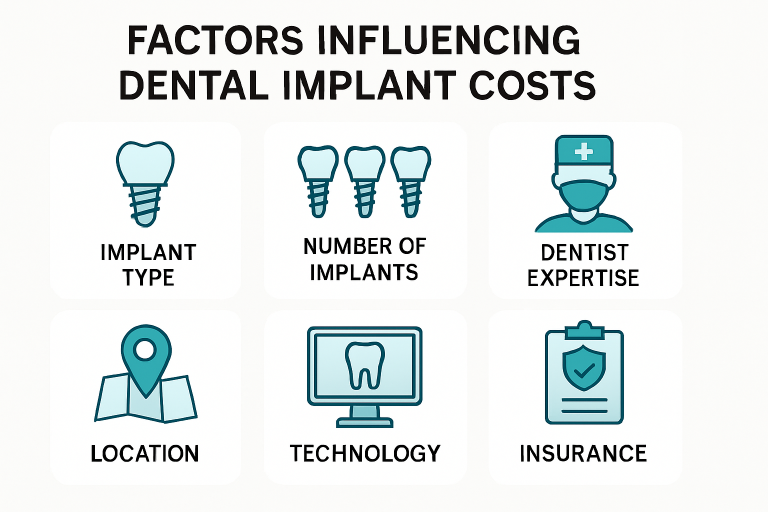
- The dentist’s expertise and geographic location play crucial roles in pricing.
- Technological advancements and insurance coverage can influence costs.
Dental implants have become the gold standard for tooth replacement, offering unmatched durability, functionality, and a natural look. Yet, when considering implants, most people are surprised by the wide range in pricing—something that demands careful evaluation before proceeding. One of the best ways to secure high-quality treatment at a reasonable rate is to explore providers specializing in value, such as affordable dental implants by Miami-Dade County. Understanding the primary factors that drive dental implant costs will help patients set realistic expectations and choose a solution that suits both their needs and budget.
Dental implants are an investment not only in your oral health but also in your quality of life. While the upfront cost may appear substantial, the long-term benefits—such as jawbone preservation, restored chewing ability, and enhanced self-confidence—are difficult to match with any other dental solution. Whether you’re replacing a single tooth or seeking full-mouth restoration, understanding the factors that influence implant costs will empower you to make informed decisions and avoid unexpected expenses down the line.
At the outset, it’s important to recognize that prices vary not only based on the dental professional’s fees but also on your individual oral health, the complexity of the procedure, and the technologies involved. Patients should carefully weigh their options and be prepared for additional costs if preparatory procedures or customized solutions are required. Comparing clinics, asking the right questions, and exploring all available payment options can lead to significant savings.
Implant Type and Material
The selection of implant type and material carries the greatest weight in determining costs. Endosteal implants are the most common type, implanted directly into the jawbone for maximum stability, and are typically fabricated from titanium or zirconia. Subperiosteal implants, on the other hand, are placed under the gum tissue but above the bone, making them suitable for patients who lack sufficient bone volume yet wish to avoid grafting procedures. “All-on-4” systems offer a more economical approach when replacing an entire arch, utilizing only four strategically angled implants to support a full set of teeth, reducing total surgical time and costs.
Material matters, too. Titanium is prized for its durability and strong record of biocompatibility, costing between $3,000 and $5,000 per implant. Zirconia is an increasingly popular alternative for those seeking a metal-free option with enhanced aesthetics; however, it comes at a premium—typically ranging from $4,000 to $6,000 per tooth. It’s best to discuss this in detail with your dental provider to determine which option aligns with your priorities, medical needs, and financial limitations.
Number of Implants and Procedure Complexity
Every additional implant increases the total cost. A single-tooth replacement typically costs between $3,000 and $6,000, which includes the implant body, abutment, and crown. Multiple adjacent implants add up, though some efficiencies may be gained through streamlined treatment planning or prosthetic bridges. For full-mouth reconstructions, expect costs to be north of $40,000, potentially reaching $100,000, depending on the oral health status, the extent of preparatory work, and the selected technique.
Highly complex cases, including those requiring bone grafting or sinus lifts, tack on extra charges—the latter procedures being required when the jawbone isn’t thick or tall enough for stable implant placement. Bone grafts can contribute an additional $600 to $2,000 per graft site, depending on the material and technique used. An understanding of these procedures and their necessity aids in building a comprehensive treatment plan and budget.
Dentist’s Expertise and Geographic Location
The level of expertise your dental professional brings to the table is reflected in their fees. Highly trained implantologists, oral surgeons, and periodontists may charge premium rates, drawing not only on years of specialized training but also on their record of successful outcomes. In comparison, general dentists with less focused experience may offer lower fees; however, prospective patients should balance cost savings with their comfort level regarding surgical complexity.
Technological Advancements
Rapid advancements in dental technology are improving outcomes while also influencing cost structures. The integration of 3D printing technology for custom crowns, abutments, and surgical guides optimizes fit and speeds up treatment, albeit at a higher lab expense. Similarly, the adoption of AI-driven diagnostics and computer-guided implant placement ensures greater surgical accuracy, reduces chair time, and increases the likelihood of long-term success. However, these technologies require significant investment from dental offices, which may be reflected in patient charges.
Insurance Coverage and Financing Options
Dental insurance rarely covers the entire implant procedure, but select policies will help offset costs for crowns, x-rays, and related services. Review your coverage carefully and communicate proactively with both your insurance provider and implant specialist. Financing solutions, including extended payment plans, healthcare credit cards, and loans, are widely available from dental practices, making this significant investment more accessible to many patients.
Another strategy to manage costs is dental tourism. Some patients consider seeking treatment abroad, where quality care is available at lower prices. However, thorough research and due diligence are essential to ensure the safety and reliability of overseas clinics.
Ultimately, understanding all underlying factors—from implant type and material to dentist qualifications and insurance nuances—puts patients in the strongest position to make informed decisions and invest wisely in their oral health and smile.