

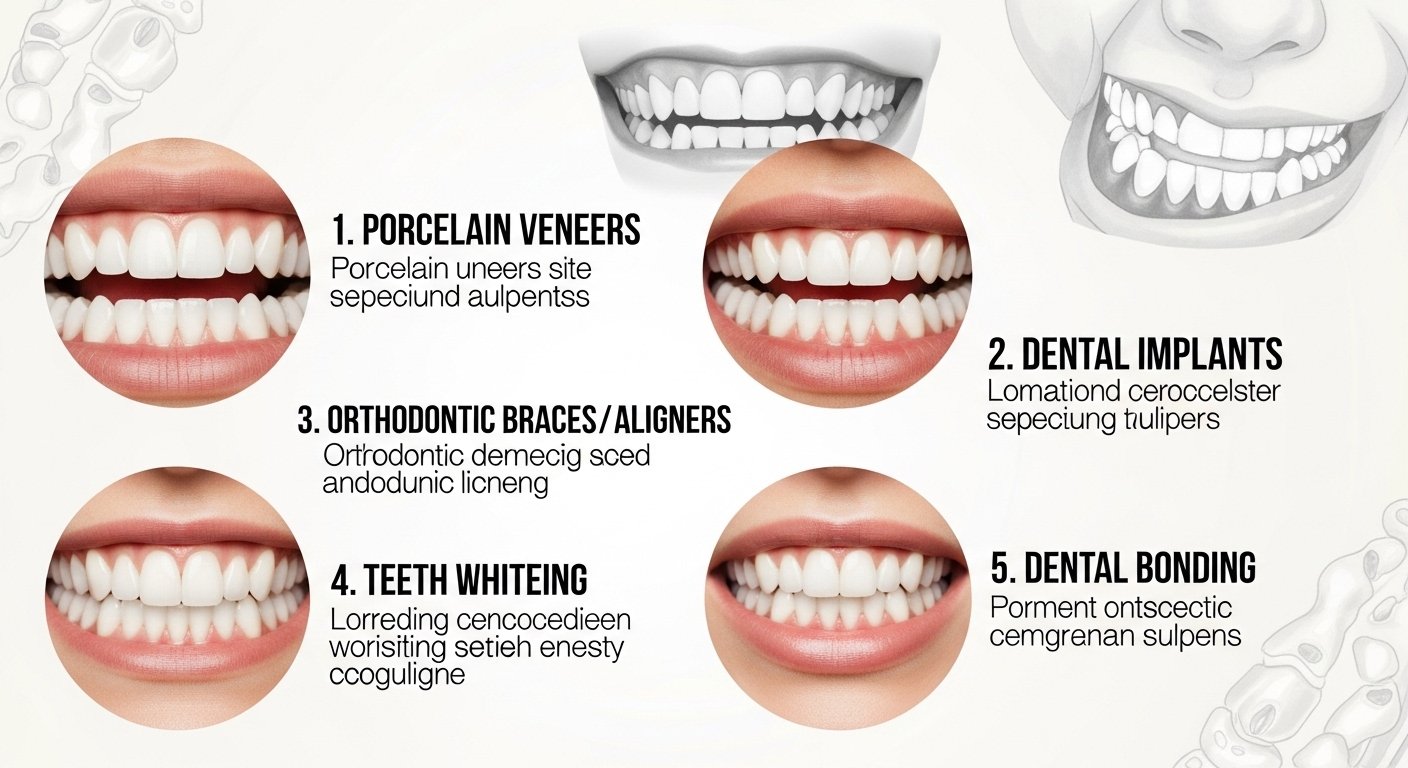
Your teeth affect how you look, speak, and eat. When they chip, stain, or shift, you feel it every day. A cosmetic dentist in Southeast Portland can correct these problems in ways that also protect your bite and long-term oral health. Many people think cosmetic care only means whiter teeth. In truth, smart cosmetic treatment helps you chew with less strain, clean your teeth with less effort, and avoid future damage. This blog explains five focused cosmetic dental enhancements that support both appearance and function. You see how each option works. You learn what problems it solves. You also understand who benefits most. With clear facts, you can talk with your dentist, ask direct questions, and choose care that matches your needs. Your smile should not only look strong. It should feel strong every time you use it.
1. Tooth Colored Fillings That Seal And Strengthen
Old metal fillings can crack, leak, or darken your smile. Tooth colored fillings use resin that bonds to your tooth. This protects the tooth from new decay and supports daily chewing.
You may benefit if you:
- Have small to medium cavities
- Notice pain when you bite on one tooth
- See dark spots or old silver fillings
Key gains include:
- Strong seal that helps prevent new decay
- Better support for the remaining tooth
- Color that blends with nearby teeth
The Centers for Disease Control and Prevention explains that untreated cavities can cause infection and tooth loss. You lower that risk when you repair weak spots early with bonded fillings.
2. Dental Crowns That Protect Worn Or Broken Teeth
A crown covers the full visible part of a tooth. It works like a hard shell. It helps you chew on teeth that are cracked, worn down, or have large fillings.
You may need a crown if you:
- Have a tooth that broke or lost a large piece
- Had root canal treatment
- Grind your teeth and notice flat or short teeth
How crowns help you:
- Spread chewing pressure across the whole tooth
- Lower the chance of future cracks
- Restore shape so you can bite and speak with comfort
The National Institute of Dental and Craniofacial Research notes that worn teeth can affect how you eat and speak. Crowns give those teeth structure again, so daily tasks feel easier.
3. Porcelain Veneers That Correct Shape, Color, And Alignment
Veneers are thin covers that bond to the front of your teeth. They can change the look of teeth that are chipped, stained, or slightly crooked. They also help guide your bite when you close your teeth.
You may consider veneers if you:
- Have stains that whitening does not remove
- See small gaps or mild crowding in front teeth
- Have edges that chip or wear unevenly
Veneers help you:
- Create smoother edges that meet evenly
- Shorten or lengthen teeth for a more stable bite
- Protect the front surface from minor wear
4. Orthodontic Treatment That Aligns Teeth And Bite
Braces or clear aligners move teeth into better positions. Straighter teeth look cleaner. They also reduce strain on your jaw and lower the risk of uneven wear.
Signs you may need orthodontic care:
- Top and bottom teeth do not meet well
- Jaw pain or tightness
- Teeth that overlap so much you cannot clean between them
Aligned teeth can:
- Spread chewing force across more teeth
- Reduce chipping on a few overloaded teeth
- Make brushing and flossing easier for you and your child
Better alignment supports gum health as well. Crowded teeth trap food and plaque. Straighter teeth give your toothbrush and floss a clear path.
5. Implants And Bridges That Replace Missing Teeth
Missing teeth affects more than your smile. Nearby teeth can tip or drift. Your bite can collapse. You might avoid certain foods.
Two common cosmetic and functional options are:
- Dental implants that replace one tooth at a time
- Fixed bridges that replace one or more teeth in a row
These options help you:
- Chew on both sides of your mouth
- Keep nearby teeth from shifting
- Support your lips and cheeks so your face keeps its shape
Comparison Of Common Cosmetic Enhancements
| Treatment | Main Purpose | Helps With Function | Best For |
| Tooth colored fillings | Repair small to medium cavities | Restores strength and seal | Early decay and worn fillings |
| Crowns | Cover and protect weak teeth | Improves chewing and bite stability | Broken, worn, or root-treated teeth |
| Veneers | Improve color and shape of front teeth | Helps guide bite and protect front surfaces | Stained, chipped, or slightly crooked teeth |
| Orthodontics | Straighten teeth and align bite | Spreads chewing force and eases cleaning | Crowded or misaligned teeth and jaw |
| Implants or bridges | Replace missing teeth | Restores chewing and prevents shifting | One or more missing teeth |
How To Choose The Right Option For You
Start with a full exam and clear X-rays. Share your main concern. Is it pain, chewing, or how your teeth look in photos? Ask three questions for each option.
- What problem does this fix now
- How long should it last with normal care
- What are my other choices
Use trusted sources while you think. Federal and university sites give neutral facts about risks and benefits. Then bring your questions to your dentist. Your teeth carry you through every meal and every word. They deserve care that looks good and works hard for you each day.